
Anúncios
Metal detector apps have revolutionized the way we search for hidden treasures, offering a portable and accessible solution right in your smartphone.

Whether you’re a hobbyist treasure hunter, a professional in construction, or someone who frequently loses their keys, a metal detector app can become an essential tool in your daily routine. These innovative applications use the magnetic sensor built into modern smartphones to detect metallic objects nearby, transforming your device into a functional metal detector.
Anúncios
The technology behind these apps is surprisingly sophisticated, leveraging your phone’s magnetometer to measure magnetic field variations. When metal objects are present, they create distortions in the ambient magnetic field, which the app can detect and alert you to. This makes metal detector apps practical for various scenarios, from finding studs behind walls to locating lost jewelry in the sand. 🔍
How Metal Detector Apps Actually Work
The fundamental principle behind metal detector applications relies on the magnetometer sensor present in most smartphones. This sensor was originally designed for compass functionality, but developers have cleverly repurposed it for metal detection. The magnetometer measures the strength and direction of magnetic fields in three dimensions, providing real-time data about metallic interference in your surroundings.
Anúncios


When you activate a metal detector app, it continuously monitors the baseline magnetic field around your phone. As you move the device closer to metallic objects, the app registers changes in the magnetic field strength. Ferromagnetic metals like iron, steel, and nickel create stronger readings, while non-ferrous metals like aluminum, copper, and gold produce weaker signals but are still detectable.
The app typically displays these measurements through visual indicators, numerical readings, and audio signals. Most applications feature a needle gauge reminiscent of traditional metal detectors, along with numerical values measured in microteslas (µT). The sensitivity can often be calibrated to filter out background electromagnetic interference from electronic devices and power lines.
Understanding Magnetic Field Measurements
Metal detector apps measure magnetic fields in microteslas, with typical ambient readings ranging from 25 to 65 µT depending on your location. When metal is detected, these values can spike significantly. Understanding these numbers helps you interpret what the app is detecting and at what distance.
The Earth’s natural magnetic field averages around 50 µT, but this varies by location and altitude. When you approach a metal object, readings might jump to 100 µT, 200 µT, or even higher depending on the size and composition of the metal. Large metal objects like pipes or rebar can create readings exceeding 1000 µT when very close to the sensor.
Practical Applications for Metal Detector Apps
Metal detector apps serve surprisingly diverse purposes beyond the stereotypical treasure hunting scenario. Understanding these practical applications can help you maximize the utility of this technology in your everyday life.
Home Improvement and DIY Projects 🔨
One of the most valuable applications involves home renovation and repair work. Before drilling into walls, you can scan for hidden metal studs, nails, screws, or electrical wiring conduits. This prevents costly mistakes and potential safety hazards. Many DIY enthusiasts use these apps before hanging heavy items like televisions or shelves, ensuring they anchor into studs rather than just drywall.
Plumbers and electricians can benefit from identifying the path of pipes and wires behind walls and ceilings. While dedicated professional equipment remains more accurate, a metal detector app provides a quick preliminary scan before more invasive exploration.
Recovering Lost Metal Items
We’ve all experienced the frustration of losing keys, jewelry, or other valuable metal objects. Metal detector apps can help locate these items, especially in environments like beaches, parks, or even around your home. The effectiveness depends on the size of the lost item and the surrounding electromagnetic environment.
For jewelry lost in sand or grass, systematic scanning in a grid pattern yields the best results. The app helps narrow down the search area significantly compared to random searching. While small items like earrings present detection challenges, rings and necklaces are typically within detection capabilities.
Treasure Hunting and Metal Detecting Hobby
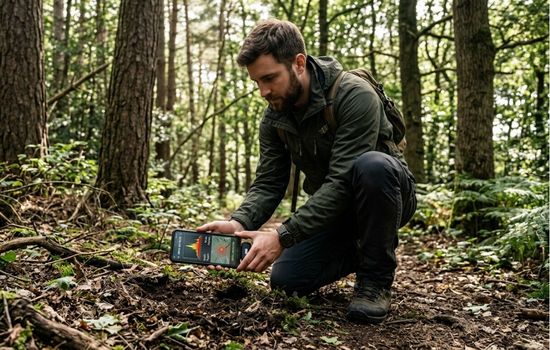
While professional metal detectors offer superior depth and discrimination capabilities, smartphone apps provide an accessible entry point into the hobby. They’re perfect for casual beach combing, park searches, or exploring your backyard for historical artifacts.
Many users report finding coins, old tools, and various metal objects using only their smartphone apps. The key is managing expectations—these apps work best for surface-level or shallow-buried items rather than deeply buried treasures. They excel at introducing newcomers to metal detecting principles before investing in professional equipment.
Limitations and Realistic Expectations
Understanding the limitations of metal detector apps is crucial for using them effectively and avoiding disappointment. These applications, while impressive, cannot match the performance of dedicated metal detecting hardware designed specifically for the purpose.
Detection Depth and Range
The most significant limitation involves detection depth. Smartphone magnetometers can typically detect metal objects only within a few inches of the device—usually 3 to 6 inches maximum for larger objects. Small items like coins require even closer proximity, often within 1 to 2 inches. This contrasts sharply with professional metal detectors that can detect objects several feet underground.
The detection range depends on multiple factors including the metal type, object size, phone sensor quality, and electromagnetic interference in the environment. Ferromagnetic metals are detected more easily than non-ferrous metals, and larger objects naturally produce stronger signals than smaller ones.
Environmental Interference Challenges
Modern environments are saturated with electromagnetic fields from electronics, power lines, WiFi routers, and other devices. These sources create background noise that can interfere with accurate metal detection. Apps attempt to compensate through calibration features, but heavily electromagnetic environments remain challenging.
Additionally, the phone case can affect readings. Metal cases or cases with magnetic closures will interfere with detection accuracy. For optimal performance, removing the phone case during use is recommended, though this creates practical inconveniences.
Features to Look for in Quality Metal Detector Apps
Not all metal detector apps are created equal. Certain features distinguish professional-grade applications from basic implementations, enhancing both usability and accuracy.
Visual and Audio Feedback Systems 🎵
Effective feedback mechanisms are essential. Quality apps provide multiple forms of notification including visual gauges, numerical readings, vibration alerts, and audio signals. Audio feedback is particularly useful as it allows you to keep your eyes on the search area rather than constantly watching the screen.
The best apps offer customizable audio tones that change in frequency or intensity as you approach metal objects. Some include adjustable volume controls and the option to mute alerts for situations requiring discretion.
Calibration and Sensitivity Adjustment
Advanced apps include calibration features that establish baseline readings for your current environment. This helps filter out constant electromagnetic interference and improves detection accuracy. The ability to adjust sensitivity allows you to tune the app for different scenarios—higher sensitivity for small objects, lower sensitivity to ignore minor metal traces.
Some applications also feature material discrimination, attempting to differentiate between ferrous and non-ferrous metals based on magnetic signature characteristics. While not as sophisticated as professional equipment, this feature adds valuable functionality.
Data Recording and Mapping Features
Professional-oriented apps sometimes include GPS integration, allowing you to mark locations where interesting finds were detected. This creates a searchable database of your discoveries and helps you return to productive locations. Some apps even support exporting this data for analysis or sharing with other enthusiasts.
Recording features might include photo documentation, notes about finds, and measurement histories showing magnetic field variations over time. These capabilities transform the app from a simple detector into a comprehensive detection toolkit.
Optimizing Your Metal Detector App Performance
Getting the best results from your metal detector app requires proper technique and understanding of optimal usage conditions. These tips will help you maximize detection effectiveness.
Proper Scanning Technique
The magnetometer sensor is typically located near the camera on smartphones, though exact placement varies by model. Knowing your sensor location helps you position the phone correctly during searches. Move the device slowly and methodically in a sweeping motion about 1-2 inches above the surface you’re scanning.
Rapid movements reduce detection accuracy because the sensor needs time to register magnetic field changes. Patience pays off—slow, systematic coverage of the search area yields significantly better results than rushed scanning. Overlapping your sweep paths ensures you don’t miss areas between passes.
Environmental Considerations 🌍
Choosing the right search environment dramatically affects success rates. Outdoor locations away from buildings and power lines provide cleaner magnetic environments with less interference. Beaches, parks, and fields offer ideal conditions for metal detector app use.
Weather conditions also matter. Rain and moisture don’t directly affect the magnetometer, but protecting your phone from water damage remains essential. Extreme temperatures can impact battery performance and screen responsiveness, so moderate conditions are preferable.
Phone Positioning and Sensor Orientation
Holding the phone parallel to the ground generally provides optimal sensor orientation for detecting buried or surface-level objects. For scanning walls for studs or pipes, hold the phone flat against the surface and move it slowly across the area of interest.
The phone’s orientation relative to the Earth’s magnetic field can affect baseline readings. Calibrating the app in the position you intend to use it ensures more accurate measurements. Some apps include orientation indicators showing whether the phone is positioned optimally for detection.
Comparing App Detection with Professional Metal Detectors
Understanding how smartphone apps compare to dedicated metal detecting equipment helps set appropriate expectations and determines whether investing in professional gear makes sense for your needs.
Capability Differences
Professional metal detectors employ sophisticated coil systems that generate their own electromagnetic fields, then detect disruptions caused by metallic objects. This active detection method provides significantly greater depth penetration—ranging from several inches to several feet depending on the detector quality and target size.
Dedicated detectors also offer superior discrimination capabilities, differentiating between various metal types with much greater accuracy. This allows treasure hunters to ignore trash metals while focusing on valuable targets. They can also detect non-magnetic metals like gold more effectively than magnetometer-based apps.
Cost and Convenience Trade-offs 💰
Metal detector apps offer the unbeatable advantage of being free or very inexpensive, while entry-level professional metal detectors start around $200, with high-end models costing thousands. For casual users or those exploring whether metal detecting interests them, apps provide a zero-investment entry point.
The convenience factor also favors apps—your phone is always with you, ready for spontaneous metal detecting opportunities. Professional detectors require planning, transportation, and dedicated search sessions. Apps serve perfectly for occasional use, while serious hobbyists will eventually want dedicated equipment.
Privacy and Permission Considerations
Metal detecting, whether with apps or professional equipment, involves legal and ethical considerations that responsible users should understand and respect.
Legal Restrictions and Property Rights
Always obtain permission before metal detecting on private property. Searching without authorization constitutes trespassing and could result in legal consequences. Public spaces like parks often have regulations governing metal detecting—some prohibit it entirely, others require permits.
Archaeological sites, protected lands, and historical battlefields typically have strict prohibitions against metal detecting to preserve archaeological integrity. Research local regulations before searching any location. Ignorance of the law provides no defense if violations occur.
Ethical Metal Detecting Practices ✨
The metal detecting community values ethical practices that minimize environmental impact and respect property. This includes filling any holes you dig, removing all trash you find, and leaving areas cleaner than you found them. Report significant historical finds to appropriate authorities rather than keeping artifacts that should be preserved for public benefit.
Respecting privacy also matters. Avoid using metal detector apps near sensitive locations where surveillance concerns might arise. Being discreet and explaining what you’re doing if questioned helps maintain positive public perception of the hobby.
Future Developments in Mobile Metal Detection Technology
The intersection of smartphone technology and metal detection continues evolving, with several promising developments on the horizon that may enhance app capabilities.
Improved Sensor Technology
As smartphone magnetometers become more sensitive and precise, metal detector apps will correspondingly improve. Some manufacturers are exploring dedicated detection sensors specifically designed for enhanced metal detection capabilities, though these remain in development stages.
Artificial intelligence and machine learning algorithms are being integrated into newer apps, learning to distinguish between different metal signatures more effectively. These AI-enhanced apps can potentially filter interference more intelligently and provide better material identification.
Augmented Reality Integration
Future metal detector apps may incorporate augmented reality features, overlaying detection information directly on camera views of the search area. This would provide intuitive visual guidance showing exactly where detected metals are located relative to your surroundings.
Integration with other smartphone sensors like LiDAR (available on some premium phones) could provide depth estimation capabilities, giving users better information about how far below the surface detected objects might be located.
Maximizing Value from Your Metal Detector App
Getting the most from your metal detector app involves understanding its strengths, working within its limitations, and approaching it as a tool rather than expecting miracles. These applications excel as supplementary detection tools, lost item finders, and hobby introductions.
For home improvement projects, they provide invaluable pre-drilling safety checks at zero additional cost. For hobbyists, they offer an accessible entry into the fascinating world of treasure hunting without financial commitment. For those who frequently misplace metal objects, they provide a practical recovery solution.
The key is maintaining realistic expectations while appreciating what the technology can accomplish. A metal detector app won’t replace professional equipment for serious treasure hunters, but it transforms your smartphone into a surprisingly capable detection device that’s always available when you need it. The convenience and accessibility factors alone make these apps valuable additions to anyone’s mobile toolkit.
Whether you’re scanning walls before hanging picture frames, searching for lost keys in your backyard, or exploring a new hobby, metal detector apps demonstrate how everyday technology can be creatively repurposed to solve real-world problems. As sensors improve and developers refine their algorithms, these applications will only become more capable and useful in the years ahead. 🔍✨