
Dance apps have revolutionized how people learn, practice, and enjoy dancing from the comfort of their homes, offering structured classes, personalized routines, and motivational communities.

The digital age has transformed traditional dance education into an accessible, flexible, and engaging experience. Whether you’re a complete beginner curious about salsa, a fitness enthusiast exploring Zumba, or an experienced dancer refining ballet technique, dance applications provide tailored solutions that fit seamlessly into modern lifestyles.
These platforms combine professional choreography, real-time feedback, progress tracking, and vibrant communities to create comprehensive learning ecosystems. With features ranging from beginner-friendly tutorials to advanced masterclasses, dance apps cater to diverse skill levels, ages, and preferences while eliminating geographical and financial barriers to quality instruction.
💃 Why Dance Apps Are Gaining Massive Popularity
The surge in dance application downloads reflects broader shifts in how people approach fitness, self-expression, and skill development. Unlike traditional dance studios with fixed schedules and location constraints, mobile applications offer unparalleled flexibility. Users can practice at 6 AM before work or unwind with a hip-hop session at midnight—the choice is entirely theirs.
Convenience stands as the primary attraction. Busy professionals, parents managing hectic schedules, and individuals living in areas without quality dance studios now access world-class instruction through their smartphones. This democratization of dance education has opened doors for millions who previously considered formal training inaccessible.
Cost-effectiveness represents another significant advantage. Traditional dance classes often require substantial monthly fees, plus additional expenses for commuting and appropriate attire. Most dance apps operate on subscription models costing a fraction of studio memberships, with some offering completely free content supported by optional premium features.


🎯 Personalization and Progress Tracking
Modern dance applications leverage sophisticated algorithms to customize experiences based on individual goals, fitness levels, and preferred styles. After initial assessments, these platforms recommend appropriate classes, adjust difficulty progressively, and suggest complementary routines to accelerate improvement.
Integrated progress tracking transforms abstract improvement into tangible metrics. Users monitor calories burned, minutes danced, consecutive practice days, and skill milestones achieved. This data-driven approach provides motivation through visible advancement while helping dancers identify areas needing extra attention.
🌟 Top Features That Define Excellent Dance Apps
Quality dance applications share several characteristics that distinguish them from mediocre alternatives. Understanding these features helps users make informed choices when selecting platforms matching their needs and aspirations.
📹 High-Quality Video Instruction
Professional-grade video content forms the foundation of effective dance apps. Multiple camera angles allow learners to observe footwork, arm movements, and body positioning simultaneously. Slow-motion playback enables detailed analysis of complex sequences, while loop functions permit repeated practice of challenging sections until mastery develops.
The best platforms employ experienced instructors who demonstrate movements clearly while providing verbal cues, counting beats, and offering encouragement. Background music quality matters significantly—crisp audio helps dancers maintain rhythm and enhances overall enjoyment.
🎨 Diverse Dance Style Libraries
Comprehensive dance apps feature extensive style libraries spanning various genres and cultural traditions. Users explore everything from classical ballet and contemporary jazz to energetic hip-hop, sensual bachata, traditional Bollywood, and therapeutic dance therapy routines.
- Latin dances: Salsa, bachata, merengue, tango, and samba
- Ballroom classics: Waltz, foxtrot, quickstep, and Viennese waltz
- Urban styles: Hip-hop, breaking, popping, locking, and house
- Fitness fusion: Zumba, dance cardio, barre, and aerobic dance
- Cultural traditions: Bollywood, belly dancing, Irish step, and flamenco
- Contemporary forms: Modern, lyrical, jazz funk, and improvisational movement
👥 Community Engagement and Social Features
Dance thrives on connection and shared energy. Recognizing this, leading apps incorporate social elements that foster community among users. Discussion forums allow dancers to exchange tips, troubleshoot technique challenges, and celebrate achievements together.
Challenge features inject competitive fun into practice routines. Monthly dance-offs, streak competitions, and collaborative projects motivate consistent engagement while building friendships across geographical boundaries. Some platforms enable users to record performances and receive constructive feedback from instructors and peers.
🏋️ Dance Apps as Comprehensive Fitness Solutions
Beyond artistic expression, dance applications serve as powerful fitness tools delivering full-body workouts disguised as entertainment. This dual benefit attracts people who find traditional gym routines monotonous but crave effective exercise that elevates mood alongside physical conditioning.
A vigorous 45-minute dance session burns between 200 and 600 calories depending on intensity and style. High-energy forms like Zumba, hip-hop, and Bollywood provide cardiovascular conditioning comparable to running or cycling, while improving coordination, flexibility, and muscular endurance simultaneously.
💪 Physical Health Benefits
Regular dance practice delivers measurable improvements across multiple health dimensions. Cardiovascular fitness increases as the heart adapts to sustained rhythmic movement. Balance and spatial awareness develop through weight transfers and directional changes inherent in choreography.
Lower-impact styles like ballet and contemporary strengthen core stability, enhance posture, and build lean muscle tone without joint stress. Dance’s emphasis on flexibility naturally improves range of motion, reducing injury risk in daily activities.
🧠 Mental and Emotional Wellness
Dance’s psychological benefits rival its physical advantages. Learning choreography engages cognitive functions including memory, pattern recognition, and spatial reasoning. This mental stimulation may contribute to long-term brain health and reduced dementia risk according to emerging research.
The mood-elevating effects of dance stem from endorphin release during physical activity combined with creative self-expression. Many users report reduced anxiety, improved self-esteem, and enhanced emotional regulation after establishing consistent dance practice. Music’s therapeutic properties amplify these benefits, creating multisensory wellness experiences.
📱 Choosing the Right Dance App for Your Goals
With countless options available across app stores, selecting the ideal platform requires consideration of personal objectives, current skill level, and preferred learning style. Strategic evaluation ensures investment of time and money yields maximum satisfaction and progress.
🔍 Assessing Your Dance Objectives
Clarity about goals streamlines app selection significantly. Fitness-focused individuals prioritize calorie-burning potential and workout variety over technical precision. Those pursuing artistic development seek detailed technique instruction, performance opportunities, and style mastery.
Social dancers preparing for weddings or events need partner-focused content with practical applications. Performers aiming for auditions require advanced choreography and industry-relevant styles. Identifying primary motivations narrows options to platforms specializing in relevant content.
💰 Understanding Pricing Models
Dance apps employ various monetization strategies affecting user experience and value perception. Free applications typically offer limited content libraries with advertisements, reserving premium classes for paid subscribers. Freemium models provide substantial free content alongside optional paid upgrades for specialty features.
Subscription services range from budget-friendly options under $10 monthly to comprehensive platforms charging $20-30 for unlimited access. Annual subscriptions usually offer significant discounts compared to month-to-month billing. Some apps sell individual classes or style-specific packages for users wanting targeted learning without ongoing commitments.
| Pricing Model | Typical Cost | Best For |
|---|---|---|
| Free with Ads | $0 | Casual exploration and beginners testing interest |
| Freemium | $0-15/month | Regular practitioners wanting flexibility |
| Full Subscription | $15-30/month | Serious learners seeking comprehensive content |
| One-Time Purchase | $5-50 | Style-specific learners or wedding preparation |
🎓 Maximizing Learning Through Dance Apps
Downloading an app represents just the beginning of the dance journey. Extracting maximum value requires strategic practice habits, realistic expectations, and consistent engagement with platform features beyond passive video viewing.
⏰ Establishing Consistent Practice Routines
Like any skill, dance proficiency develops through regular, deliberate practice. Scheduling specific times for sessions increases adherence compared to sporadic, spontaneous attempts. Even 15-20 minute daily practices yield better results than occasional marathon sessions causing burnout.
Creating dedicated practice space enhances focus and signals the brain to enter learning mode. Adequate room for movement, good lighting, and a mirror for self-monitoring optimize the practice environment. Quality speakers or headphones ensure music clarity, facilitating rhythm connection.
📊 Setting Achievable Milestones
Dance mastery unfolds gradually through accumulated small improvements rather than dramatic overnight transformations. Breaking long-term goals into weekly targets maintains motivation and provides frequent success experiences. Celebrating minor victories—mastering a difficult turn sequence or completing a week’s practice streak—sustains enthusiasm during plateaus.
Recording practice sessions enables objective self-assessment. Reviewing footage reveals improvement invisible during immersed practice while highlighting persistent trouble spots deserving focused attention. Comparing current performance to earlier recordings demonstrates tangible progress, especially during frustrating periods when advancement feels stagnant.
🌐 The Social Dimension of Digital Dance Communities
Despite physical separation, dance app users form genuine connections through shared passion and mutual support. These virtual communities replicate many benefits of in-person studios while offering unique advantages of diverse, global membership accessible anytime.
🤝 Finding Accountability Partners
Partnering with fellow users for mutual encouragement dramatically increases adherence to practice goals. Accountability buddies share progress updates, celebrate achievements, and provide gentle motivation during low-energy periods. Many apps facilitate connection through matching features pairing users with similar goals and skill levels.
Group challenges inject friendly competition into practice routines. Collaborative events like month-long style explorations or charity dance marathons unite communities around shared objectives while introducing users to styles and techniques outside their comfort zones.
🎥 Sharing Progress and Receiving Feedback
Platforms enabling performance sharing create opportunities for constructive criticism from instructors and experienced dancers. This feedback accelerates improvement by identifying subtle technical issues difficult to self-diagnose. Supportive comments from community members reinforce confidence and validate progress.
Public sharing, while initially intimidating, normalizes imperfection and cultivates resilience. Watching diverse skill levels represented in community posts reminds beginners that everyone starts somewhere, reducing comparison anxiety and perfectionist paralysis.
🔮 The Future of Dance Technology and Learning
Technological advancement continues reshaping dance education possibilities. Emerging innovations promise even more immersive, personalized, and effective learning experiences that blur boundaries between digital and physical instruction.
🥽 Virtual and Augmented Reality Integration
VR technology transports users into virtual studios where they practice alongside holographic instructors and classmates worldwide. Spatial audio and 360-degree environments replicate in-person energy impossible through flat screens. AR overlays project visual guides onto real-world space, displaying foot placement markers and movement trajectories directly on home floors.
These technologies address dance apps’ primary limitation—lack of three-dimensional spatial awareness. VR environments enable users to observe instructor demonstrations from any angle while receiving real-time corrections on positioning and technique.
🤖 Artificial Intelligence and Motion Capture
AI-powered motion analysis represents perhaps the most transformative development in digital dance education. Smartphone cameras combined with sophisticated algorithms now track body position, identifying technique errors and offering specific corrections previously requiring trained human eyes.
Adaptive learning systems analyze performance data to customize curriculum pacing and content selection. Struggling with hip rotation in salsa? The AI prescribes supplementary exercises targeting that specific challenge. Progressing rapidly through beginner content? Advanced material automatically becomes available, maintaining optimal difficulty for continuous engagement without frustration.
✨ Transforming Lives Through Movement and Rhythm
Beyond entertainment and fitness metrics, dance apps facilitate profound personal transformation. Users discover creative outlets, build confidence, connect with cultural heritage, and develop discipline transferable to all life areas. The accessibility of these platforms means life-changing experiences are now literally at everyone’s fingertips.
Testimonials from app users worldwide reveal inspiring stories: individuals overcoming social anxiety through gradual skill development, retirees discovering newfound joy and purpose, couples strengthening relationships through shared partner dancing, and children developing body confidence and artistic appreciation.
The democratization of dance education removes barriers that historically restricted this art form to those with geographic proximity to quality studios, financial resources for expensive lessons, and schedules accommodating fixed class times. Dance apps declare that everyone, regardless of circumstance, deserves access to movement’s transformative power.
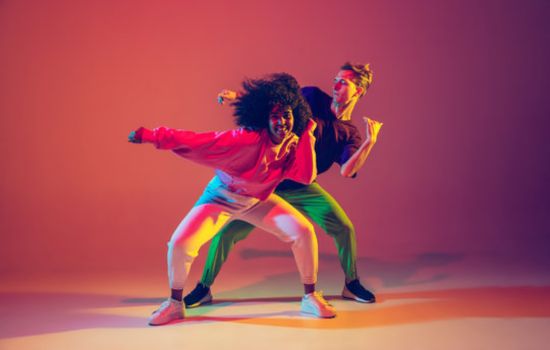
🚀 Getting Started on Your Dance Journey Today
Beginning feels daunting when scrolling through advanced choreography and seemingly effortless performances. Remember that every accomplished dancer started exactly where you are now—uncertain, uncoordinated, and excited about possibilities ahead.
Download a reputable app, commit to just ten minutes daily for one week, and approach practice with curiosity rather than judgment. Focus on enjoyment over perfection, progress over comparison, and consistency over intensity. Your unique dance journey begins with a single step—or rather, a single download and that courageous first class.
The rhythm is waiting, the community is welcoming, and your potential is limitless. Whether seeking fitness, artistic expression, social connection, or simply joyful movement, dance apps provide pathways to all these destinations and more. Your transformation starts now—press play, move your body, and discover what becomes possible when technology meets timeless human expression through dance. 💫