
Anúncios
Reading has evolved beyond printed pages, and today millions of readers worldwide enjoy literature through innovative mobile applications designed to bring entire libraries into the palm of your hand.

The digital revolution has transformed how we consume content, making it easier than ever to access thousands of books instantly. Whether you’re commuting, traveling, or relaxing at home, book reading apps offer unprecedented convenience and flexibility.
Anúncios
This comprehensive guide explores everything you need to know about choosing and using the right reading app for your lifestyle. From features to benefits, we’ll dive deep into what makes these applications essential tools for modern readers. 📚
Why Book Reading Apps Have Become Essential for Modern Readers
The shift from physical books to digital reading platforms represents one of the most significant changes in how humanity consumes literature. Book reading apps have democratized access to knowledge, making it possible for anyone with a smartphone to carry thousands of titles wherever they go.
Anúncios
Traditional libraries required physical space and accessibility. Today’s reading apps eliminate those barriers entirely. You can purchase, download, and start reading a bestseller within seconds, regardless of your location or time zone.
Environmental consciousness also plays a role. Digital reading reduces paper consumption, transportation emissions, and the physical space required for book storage. For eco-conscious readers, this represents a meaningful way to enjoy literature while minimizing environmental impact.

Key Features That Define Outstanding Reading Applications
Not all reading apps are created equal. The best platforms combine intuitive design with powerful features that enhance the reading experience beyond what physical books can offer.
Customizable Reading Experience 🎨
Premium reading apps allow users to adjust font sizes, typefaces, line spacing, and margins. This customization proves invaluable for readers with visual impairments or those who simply prefer specific formatting.
Background color options reduce eye strain during extended reading sessions. Night mode features flip to dark backgrounds with light text, perfect for reading before bed without disturbing sleep patterns.
Brightness controls integrated within the app provide additional comfort, allowing readers to adjust lighting without leaving their current page or breaking immersion in the story.
Synchronization Across Multiple Devices
Cross-device synchronization stands as one of the most valuable features modern reading apps offer. Start reading on your smartphone during your morning commute, continue on your tablet at lunch, and finish on your computer at home.
Cloud-based bookmark syncing ensures you never lose your place. Highlights, notes, and annotations transfer seamlessly between devices, creating a unified reading experience regardless of which device you’re using.

This feature proves especially valuable for students, researchers, and professionals who reference texts across multiple platforms throughout their day.
Built-in Dictionary and Translation Tools 📖
Language learners and vocabulary enthusiasts appreciate integrated dictionary features. Simply tap any word to view definitions, pronunciations, and usage examples without switching applications.
Translation capabilities expand literary horizons by making foreign language texts more accessible. Real-time translation helps readers explore international literature while improving language skills.
Some advanced apps even offer Wikipedia integration, providing contextual information about historical events, geographical locations, or cultural references mentioned in texts.
Popular Book Reading Apps and Their Unique Strengths
The marketplace offers numerous reading applications, each with distinct advantages tailored to different reader preferences and needs.
Amazon Kindle: The Industry Standard
Amazon’s Kindle app dominates the digital reading landscape with its massive library and seamless ecosystem integration. The platform offers millions of titles, from bestsellers to indie publications, often at competitive prices.
Whispersync technology exemplifies Amazon’s attention to user experience, synchronizing reading progress, bookmarks, and notes across all devices. The “X-Ray” feature provides character guides and contextual information without spoiling plot developments.
Kindle Unlimited subscription service grants access to over a million titles for a monthly fee, representing exceptional value for voracious readers who consume multiple books weekly.
ReadEra: The Privacy-Focused Alternative
ReadEra appeals to readers who prioritize privacy and offline functionality. Unlike many competitors, it requires no registration, collects no personal data, and functions perfectly without internet connectivity.
The app supports numerous file formats including EPUB, PDF, MOBI, and DJVU, making it ideal for readers with diverse digital libraries from multiple sources.
Its minimalist interface eliminates distractions, focusing entirely on the reading experience. No advertisements interrupt your flow, and the straightforward design makes navigation intuitive even for less tech-savvy users.
Google Play Books: Integration Champion
Google Play Books excels in ecosystem integration for Android users. The app synchronizes seamlessly with Google accounts, backing up reading progress and purchased content automatically.
Audiobook integration sets Google Play Books apart, allowing users to switch between reading and listening modes. This flexibility suits different contexts—reading during quiet moments and listening during commutes or workouts.
The “Read Aloud” feature uses advanced text-to-speech technology, beneficial for multitasking or for readers with visual challenges.
How Reading Apps Enhance Learning and Retention 🧠
Digital reading platforms offer tools that actively improve comprehension and knowledge retention beyond passive reading.
Highlighting and annotation features transform reading from passive consumption to active engagement. Readers can mark important passages, add personal notes, and create searchable references for future review.
Many apps organize highlights automatically, generating compilations of marked passages that serve as personalized study guides. This proves invaluable for academic reading, professional development, or book club discussions.
Progress tracking and reading statistics motivate consistent reading habits. Viewing pages read, time spent reading, and books completed provides tangible evidence of intellectual growth over time.
Accessibility Features That Make Reading Universal
Modern reading apps have made literature accessible to people with various disabilities and reading challenges.
Text-to-speech functionality converts written words into spoken audio, enabling visually impaired readers to enjoy literature independently. Adjustable narration speeds accommodate different listening preferences and comprehension levels.
Dyslexia-friendly fonts like OpenDyslexic integrate into many reading apps, making text easier to process for readers with dyslexia. Letter spacing and word spacing adjustments further enhance readability.
Screen reader compatibility ensures that navigation menus, buttons, and features remain accessible to users relying on assistive technology.
Building Your Digital Library Strategically 📱
Creating a well-organized digital library requires thoughtful planning and understanding of available resources.
Public domain resources like Project Gutenberg offer thousands of classic titles absolutely free. These timeless works include everything from Shakespeare to Jane Austen, providing literary foundation without financial investment.
Library partnerships through apps like Libby and OverDrive connect readers to their local library systems, enabling free borrowing of bestsellers and new releases digitally.
Subscription services present value for heavy readers. Comparing cost-per-book between subscriptions and individual purchases helps determine the most economical approach based on reading volume.
Organizing Collections Effectively
Custom shelves and collections keep large libraries manageable. Organize books by genre, reading status, priority level, or thematic categories that align with your interests.
Search and filter functions become increasingly valuable as libraries grow. Advanced apps offer filtering by author, publication date, series, or custom tags.
Regular library maintenance prevents digital clutter. Periodically review downloaded titles, removing finished books you won’t revisit to free device storage.
Maximizing Battery Life During Extended Reading Sessions 🔋
Extended reading sessions can drain device batteries quickly without proper optimization.
Adjusting screen brightness to the minimum comfortable level significantly extends battery life. Most reading apps include built-in brightness controls for convenient adjustment.
Airplane mode eliminates background data usage when reading downloaded content. This dramatically reduces battery consumption while maintaining full reading functionality.
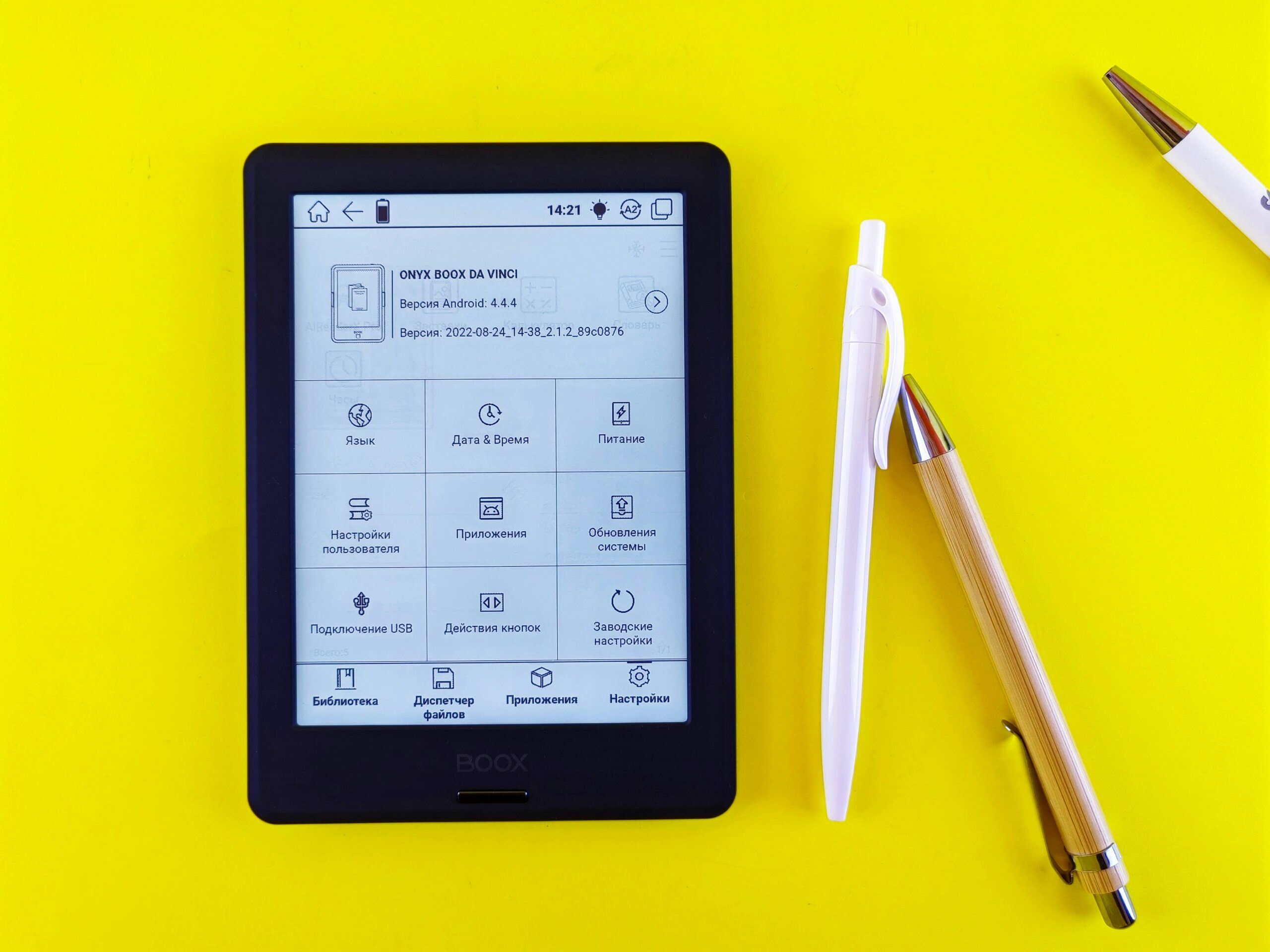
E-ink devices like dedicated e-readers offer weeks of battery life compared to tablets or smartphones. For serious readers, investing in a dedicated device proves worthwhile.
Privacy and Data Considerations for Digital Readers
Understanding how reading apps handle personal data helps make informed choices about which platforms to trust.
Reading habits reveal intimate details about interests, beliefs, and intellectual pursuits. Some apps collect extensive data about reading patterns, highlighting behavior, and search queries.
Privacy-focused alternatives like ReadEra operate without data collection, requiring no registration or internet connectivity. These apps appeal to privacy-conscious readers uncomfortable with tracking.
Reviewing privacy policies before committing to a platform ensures alignment between your privacy expectations and the app’s data practices.
The Future of Digital Reading Technology 🚀
Emerging technologies promise to revolutionize digital reading experiences in coming years.
Artificial intelligence integration will offer personalized reading recommendations based on nuanced understanding of preferences beyond simple genre categorization.
Enhanced reality features may overlay contextual information, definitions, or multimedia content onto text, creating immersive reading experiences that blend traditional narratives with interactive elements.
Voice control improvements will enable hands-free navigation, page turning, and content searching, making reading accessible in new contexts like cooking, exercising, or crafting.
Choosing the Right Reading App for Your Needs
Selecting the ideal reading app depends on individual priorities, reading habits, and device ecosystems.
Consider library size and content availability. Readers interested in mainstream bestsellers find ample selection across major platforms, while niche interest readers should verify specialized content availability.
Evaluate platform commitment. Purchasing books through Amazon, Google, or Apple creates long-term ecosystem investment that may influence future device choices.
Test multiple apps using free content before making purchases. Most platforms offer sample chapters or free classics perfect for evaluating interface preferences and feature sets.
Creating Sustainable Reading Habits With Digital Tools ✨
Reading apps provide tools that help establish and maintain consistent reading practices.
Daily reading goals transform abstract intentions into measurable targets. Apps tracking pages or minutes read daily create accountability and visible progress.
Reading streaks gamify consistency, encouraging daily engagement through visual progress indicators that motivate maintaining unbroken chains.
Social features in some apps connect readers with communities sharing book recommendations, reviews, and discussions that enrich the reading experience beyond solitary consumption.
The evolution of reading technology has created unprecedented opportunities for literary engagement. Whether you prioritize extensive libraries, privacy protection, or seamless device integration, there’s a reading app perfectly suited to your preferences.
Digital reading doesn’t replace physical books—it complements them, offering flexibility and features that expand when, where, and how we engage with written words. The best approach often involves embracing both formats, choosing whichever best serves each reading situation.
Start exploring these powerful tools today and discover how book reading apps can transform your relationship with literature, making reading more accessible, enjoyable, and integrated into your daily life than ever before.