
Anúncios
GPS applications have revolutionized how we navigate our world, transforming smartphones into powerful location-based tools that guide millions of people daily through unfamiliar streets and destinations.

The journey from traditional paper maps to digital navigation represents one of technology’s most practical achievements. Today’s GPS applications offer far more than simple directions—they provide real-time traffic updates, alternative routes, voice-guided navigation, and even social features that connect drivers worldwide.
Anúncios
Whether you’re commuting to work, exploring a new city, or planning a cross-country road trip, GPS apps have become indispensable companions. Understanding their features, benefits, and how to maximize their potential can significantly enhance your travel experience and save valuable time.
🌍 The Evolution of GPS Technology in Mobile Apps
GPS technology was once exclusively available to military operations and specialized industries. The transition to civilian use in the 1980s opened doors to countless applications, but it wasn’t until smartphones became ubiquitous that GPS navigation truly democratized.
Anúncios
Early standalone GPS devices were expensive, bulky, and required frequent map updates through cumbersome processes. The integration of GPS capabilities into smartphones eliminated these barriers, making navigation accessible to anyone with a mobile device.
Modern GPS applications leverage multiple positioning technologies beyond traditional satellite signals. They combine GPS with cellular tower triangulation, Wi-Fi positioning, and even Bluetooth beacons to provide more accurate location data, especially in urban environments where tall buildings can obstruct satellite signals.
Cloud computing has transformed GPS apps into dynamic platforms that continuously update with real-time information. Traffic patterns, road closures, construction zones, and even speed trap locations are now shared instantly among millions of users, creating a collaborative navigation ecosystem.


🚗 Top Features That Define Modern GPS Applications
Today’s GPS applications offer an impressive array of features designed to make navigation smoother, safer, and more efficient. Understanding these capabilities helps users choose the right app for their specific needs.
Real-Time Traffic Intelligence
The most valuable feature of contemporary GPS apps is their ability to analyze traffic conditions in real-time. These applications process data from millions of users simultaneously, identifying congestion patterns and suggesting faster alternative routes.
Advanced algorithms predict traffic flow based on historical data, time of day, weather conditions, and special events. This predictive capability means your GPS app can warn you about potential delays before you even start your journey.
Voice-Guided Navigation
Hands-free navigation has become essential for safe driving. GPS apps provide clear, timely voice instructions that eliminate the need to constantly glance at your screen while driving.
Many applications now support multiple languages and accent variations, with some offering celebrity voices or customizable voice options. The quality of voice guidance varies significantly between apps, with the best ones providing natural-sounding directions that mention specific landmarks and street names.
Offline Map Capabilities
While most GPS functionality requires internet connectivity, leading apps now allow users to download maps for offline use. This feature proves invaluable when traveling internationally, in rural areas with limited cell coverage, or when trying to conserve mobile data.
Offline maps maintain basic navigation functionality, though they typically lack real-time traffic updates and dynamic rerouting capabilities. Planning ahead and downloading relevant map regions ensures you’re never completely lost, even without connectivity.
Points of Interest Integration
Modern GPS applications serve as comprehensive travel companions by integrating extensive databases of points of interest. Finding nearby restaurants, gas stations, hotels, attractions, and emergency services is seamlessly built into the navigation experience.
These integrations often include user reviews, ratings, photos, operating hours, and contact information pulled from various sources. Some apps even allow direct reservations or calls without leaving the navigation interface.

📱 Choosing the Right GPS Application for Your Needs
The market offers numerous GPS applications, each with distinct strengths tailored to different user preferences and use cases. Selecting the optimal app depends on your specific requirements and travel patterns.
For Daily Commuters
If your primary use involves regular trips on familiar routes, prioritize apps with superior traffic prediction and alternative route suggestions. Applications that learn your routine and proactively suggest departure times based on current conditions can save significant time during rush hours.
Community-driven apps excel in this category by providing crowdsourced alerts about accidents, police activity, road hazards, and construction. This real-time information from fellow drivers often proves more current than official traffic reports.
For International Travelers
Travelers venturing abroad benefit most from GPS apps with robust offline capabilities and comprehensive international map coverage. Look for applications that provide clear instructions in multiple languages and offer currency conversion, unit measurements, and local traffic rule information.
Some GPS apps integrate public transportation options, walking directions, and bicycle routes—essential features when navigating foreign cities without a rental car. Integration with ride-sharing services also adds convenience in unfamiliar locations.
For Outdoor Enthusiasts
Hikers, cyclists, and adventure seekers require specialized features beyond standard road navigation. Topographic maps, trail information, elevation profiles, and coordinate systems like UTM or MGRS become crucial for wilderness navigation.
Apps designed for outdoor activities often include features like waypoint marking, track recording, and the ability to share routes with others. Battery optimization becomes particularly important since outdoor adventures typically involve extended periods away from charging sources.
🔒 Privacy and Data Considerations
GPS applications collect substantial amounts of location data to provide their services. Understanding how this information is used, stored, and potentially shared is essential for making informed decisions about which apps to trust.
Most navigation apps track your location history to improve route suggestions and traffic predictions. While this data collection enables many convenient features, it also creates detailed records of your movements that could be accessed by companies, advertisers, or potentially law enforcement.
Reading privacy policies might seem tedious, but it’s important to understand what data each app collects and how it’s utilized. Some applications anonymize and aggregate location data, while others maintain identifiable records tied to your account.
Privacy-conscious users should look for apps that offer options to limit data collection, regularly delete location history, and operate in incognito or private modes that don’t record trips. Disabling location services when not actively navigating also helps minimize tracking.
⚡ Maximizing Battery Life While Using GPS Apps
GPS navigation is notoriously demanding on smartphone batteries. The combination of constant screen use, GPS signal processing, cellular data transmission, and processor-intensive map rendering can drain a full charge in just a few hours.
Several strategies can extend battery life during navigation. Reducing screen brightness while maintaining visibility helps significantly. Many apps offer battery-saving modes that simplify graphics and reduce update frequency without compromising core navigation functionality.
Downloading maps for offline use reduces the need for constant data transmission, which consumes considerable power. This approach also improves navigation reliability in areas with weak cellular signals where your phone would otherwise work harder to maintain connectivity.
Using a car charger or portable battery pack becomes essential for longer trips. Some users keep their phone in airplane mode with only GPS enabled, though this eliminates real-time traffic updates and requires pre-downloaded maps.
🛣️ Advanced Tips for Professional Navigation
Power users and professional drivers can leverage advanced features to optimize their navigation experience beyond basic turn-by-turn directions.
Multi-Stop Route Planning
Most GPS apps allow adding multiple destinations to create optimized routes. This feature proves invaluable for delivery drivers, sales representatives, or anyone running multiple errands. Advanced apps can automatically reorder stops to minimize total travel time and distance.
Some applications integrate business-specific features like delivery confirmations, customer contact information, and time-window constraints. These capabilities transform basic GPS apps into comprehensive fleet management tools.
Customizable Route Preferences
Beyond simply choosing the fastest route, modern GPS apps offer extensive customization options. You can avoid toll roads, highways, ferries, or unpaved roads based on your preferences or vehicle limitations.
Professional drivers appreciate features that account for vehicle dimensions, weight restrictions, and cargo type. Specialized commercial GPS apps prevent costly mistakes like directing oversized vehicles under low bridges or onto restricted roads.
Integration with Smart Home and Vehicle Systems
GPS applications increasingly integrate with smart home assistants and modern vehicle infotainment systems. This connectivity allows seamless transition from planning routes on your home computer to continuing navigation in your car without manual transfer.
Calendar integration automatically suggests departure times and routes based on upcoming appointments. Some systems even start navigation automatically when you enter your vehicle if a calendar event includes a location.
🌐 The Future of GPS Navigation Applications
GPS technology continues evolving rapidly, with several emerging trends poised to transform navigation experiences in coming years.
Augmented reality navigation represents one of the most exciting developments. Instead of abstract map views, AR overlays directional arrows and information directly onto camera views of the real world. This technology makes following complex intersections and finding exact building entrances significantly easier.
Artificial intelligence is making GPS apps increasingly predictive and personalized. Machine learning algorithms analyze your travel patterns to suggest routes, predict destinations before you enter them, and warn about delays on routes you frequently travel.
Autonomous vehicle integration will fundamentally change how we interact with navigation technology. GPS apps are evolving from guidance systems for human drivers into coordination platforms that communicate directly with self-driving cars, optimizing routes based on vehicle capabilities and passenger preferences.
Environmental consciousness is influencing GPS development as well. Apps now offer eco-friendly routing options that minimize fuel consumption and emissions, even if they take slightly longer. Electric vehicle-specific features include charging station locations, range calculations, and route planning that accounts for battery limitations.
🎯 Making GPS Apps Work Better for You
Getting the most from your GPS application requires more than simply entering a destination and following directions. Small adjustments and mindful usage can significantly improve your navigation experience.
Regularly updating your GPS app ensures access to the latest features, map data, and performance improvements. Developers constantly refine routing algorithms and add new capabilities through updates.
Taking a moment to review the suggested route before departing allows you to make informed decisions. GPS algorithms optimize for specific factors like speed or distance, but you might prefer a more scenic route or one that passes particular landmarks.
Providing feedback when apps suggest problematic routes helps improve the service for everyone. Most applications allow reporting road closures, incorrect map data, or misleading directions. This crowdsourced information makes navigation more accurate for all users.
Experimenting with different GPS apps helps identify which best suits your needs. Most navigation applications are free or offer trial periods, making it easy to test multiple options before committing to one as your primary navigation tool.
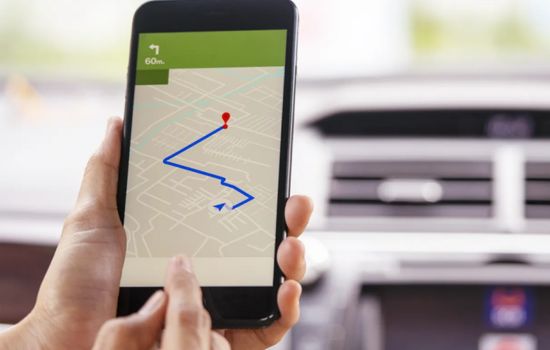
🚀 Transforming How We Experience Our Journeys
GPS applications have fundamentally changed our relationship with travel and exploration. The anxiety of getting lost has been replaced by confidence that we can navigate virtually anywhere with a device in our pocket.
These tools have made spontaneous adventures more accessible. The ability to navigate unfamiliar areas without extensive planning encourages people to explore new places, try different routes, and discover hidden gems they might otherwise never encounter.
For businesses, GPS technology has revolutionized logistics, delivery services, and field operations. The efficiency gains from optimized routing translate directly into cost savings and improved customer service.
As GPS applications continue advancing, they’re becoming more than navigation tools—they’re comprehensive travel companions that understand context, anticipate needs, and seamlessly integrate into our digital lives. The future promises even more intelligent, personalized, and intuitive navigation experiences.
Whether you’re navigating daily commutes, planning epic road trips, or simply finding the nearest coffee shop, modern GPS applications put powerful technology at your fingertips. Understanding their capabilities and learning to use them effectively transforms these apps from simple direction-givers into indispensable travel partners that enhance every journey. 🗺️