
Anúncios
Metal detector apps have transformed smartphones into powerful treasure-hunting tools, offering users the ability to locate hidden metals with just a tap on their screens. 📱✨

Whether you’re a hobbyist searching for buried treasure, a construction worker locating hidden pipes, or simply someone curious about the metallic objects around you, metal detector applications provide an accessible and convenient solution. These innovative apps leverage the magnetic sensor already built into most smartphones, turning everyday devices into functional detection instruments.
Anúncios
The technology behind these applications is surprisingly straightforward yet remarkably effective. By measuring fluctuations in the magnetic field around your device, these apps can identify the presence of ferrous metals and alert you through visual displays and audio signals. Let’s explore how these fascinating applications work and how you can make the most of them. 🔍
How Metal Detector Apps Actually Work
Modern smartphones contain a magnetometer sensor originally designed for compass applications and navigation purposes. Metal detector apps cleverly repurpose this sensor to measure changes in the surrounding magnetic field. When you bring your phone close to a metallic object, especially ferrous metals like iron or steel, the magnetic field strength increases, triggering the app’s detection mechanism.
Anúncios


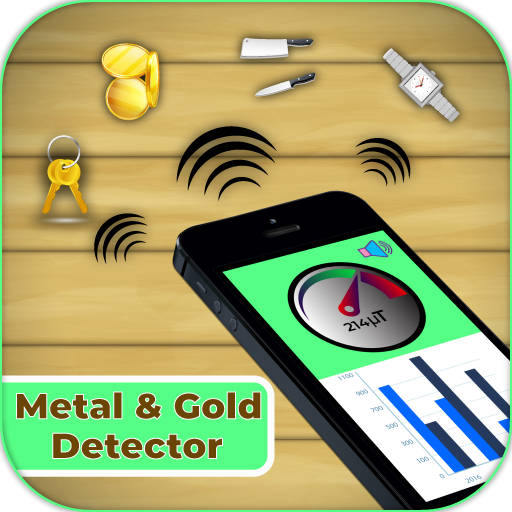
The app continuously monitors these magnetic field variations and translates them into readable data. Most applications display this information through numerical values measured in microteslas (µT), graphical representations, or color-coded indicators that change as you move closer to or farther from metal objects.
It’s important to understand that smartphone-based metal detectors have limitations compared to professional equipment. They work best with ferrous metals and may not detect non-ferrous metals like gold, silver, or aluminum unless these objects are significantly large or very close to the sensor. The magnetic sensor is typically located near the top or side of your smartphone, depending on the model.
Practical Applications for Everyday Users
Metal detector apps serve numerous practical purposes beyond recreational treasure hunting. Homeowners frequently use these applications to locate studs, nails, and screws hidden behind walls before drilling or hanging pictures. This simple precaution can prevent damage to electrical wiring or plumbing pipes concealed within walls.
DIY enthusiasts and handymen find these apps invaluable for renovation projects. Detecting metal reinforcement bars in concrete, locating buried cables in gardens, or finding lost tools in workshops becomes significantly easier with a metal detector app at your fingertips. The convenience of having this tool readily available on your smartphone eliminates the need to purchase or rent specialized equipment for occasional use.
Outdoor enthusiasts and beachgoers enjoy using metal detector apps for recreational treasure hunting. While they won’t match professional metal detectors in depth or sensitivity, these apps can certainly locate surface-level items like coins, jewelry, or other metallic objects lost in sand or shallow soil. 🏖️
Features That Make a Metal Detector App Stand Out
The best metal detector applications offer intuitive interfaces with real-time visual feedback. Color-coded displays that shift from green to yellow to red as you approach metallic objects provide immediate, easy-to-understand information. Numerical readouts showing the exact magnetic field strength in microteslas give more experienced users precise measurements for better identification.
Audio feedback represents another crucial feature. Many apps emit beeping sounds or vibrations that increase in frequency or intensity as you get closer to metal objects. This auditory component allows users to keep their eyes on the search area rather than constantly watching their screen.
Advanced applications include calibration options that let users adjust the baseline magnetic field reading for their specific environment. This feature proves particularly useful in areas with naturally high magnetic interference or when searching in buildings with metal framework.
Maximizing Detection Accuracy and Performance
To get the most accurate readings from your metal detector app, proper calibration is essential. Most applications include a calibration feature that should be used before each detection session. This process involves moving your phone in a figure-eight pattern away from any metal objects, allowing the app to establish a baseline measurement for the ambient magnetic field.
Your phone case can significantly impact detection performance. Magnetic or metal components in protective cases interfere with the magnetometer sensor, producing false readings or reducing sensitivity. For optimal results, remove your case before using a metal detector app, or ensure your case contains no metallic elements.
Environmental factors also affect detection capabilities. Electronic devices, power lines, and other sources of electromagnetic interference can create noise that masks the signal from the metal you’re trying to detect. When possible, move away from these interference sources or use the app’s filtering features to minimize background noise.
Understanding Detection Limitations and Expectations
Setting realistic expectations helps prevent disappointment when using smartphone metal detector apps. These applications cannot match the depth penetration, discrimination capabilities, or sensitivity of dedicated metal detecting equipment. Professional metal detectors can find objects buried several feet underground, while smartphone apps typically detect only surface-level items or metals within a few inches of the device.
Non-ferrous metals present particular challenges for smartphone metal detectors. Gold, silver, copper, and aluminum don’t generate strong magnetic fields, making them difficult or impossible to detect unless they’re unusually large or extremely close to your phone’s sensor. If you’re specifically hunting for precious metals, a professional metal detector remains the better investment.
Battery consumption represents another consideration. Running a metal detector app with constant sensor access and often with the screen continuously on can drain your battery relatively quickly. For extended detection sessions, consider bringing a portable charger or power bank to keep your device operational. 🔋
Safety Considerations When Using Detection Apps
While metal detector apps are generally safe to use, certain precautions enhance both safety and success. When detecting metals behind walls, always assume that electrical wiring or plumbing may be present. Even after locating what appears to be a stud or nail, proceed cautiously when drilling or cutting, as the app cannot distinguish between different types of metal objects.
In outdoor settings, always obtain proper permissions before searching on private property or protected lands. Many parks, archaeological sites, and beaches have regulations governing metal detecting activities, even with casual smartphone apps. Respecting these rules preserves sites for everyone and keeps you out of legal trouble.
Be mindful of your surroundings while using a metal detector app. Walking with your eyes fixed on your phone screen, especially in unfamiliar terrain, poses tripping hazards and other safety risks. Periodically look up to assess your environment and watch for obstacles, uneven ground, or other potential dangers.
Complementary Tools and Accessories
While metal detector apps function independently, several accessories can enhance their effectiveness. External magnetometer sensors that connect to your smartphone via Bluetooth offer improved sensitivity and range compared to built-in sensors. These devices typically cost a fraction of professional metal detectors while providing noticeably better performance.
Smartphone mounts and holders designed for metal detecting allow hands-free operation, making it easier to mark locations, take photos, or use digging tools while keeping your phone accessible. Waterproof cases prove invaluable for beach hunting or searching in damp conditions, protecting your device from moisture damage.
Digital mapping applications complement metal detector apps by letting you mark and remember locations where you’ve found interesting items or areas you’ve already searched. This organizational tool becomes increasingly valuable for serious hobbyists who systematically search larger areas over time. 🗺️
Choosing the Right App for Your Needs
The app marketplace offers numerous metal detector applications, each with different features, interfaces, and capabilities. When selecting an app, consider factors like user reviews, update frequency, and developer support. Well-maintained apps receive regular updates to address bugs, improve compatibility with new phone models, and enhance features based on user feedback.
Free versions of metal detector apps provide basic functionality suitable for occasional use or experimentation. These typically include standard detection features with advertisements supporting the free distribution. Premium or paid versions remove ads and often unlock advanced features like enhanced calibration options, detailed logging capabilities, or specialized detection modes.
Compatibility with your specific phone model matters significantly. Some devices have more sensitive magnetometer sensors than others, and certain apps optimize their algorithms for particular hardware configurations. Reading recent reviews from users with your phone model helps determine which apps perform best on your device.
Tips for Successful Treasure Hunting Adventures
Successful metal detecting requires patience, systematic searching techniques, and strategic location selection. High-traffic areas like parks, playgrounds, and beaches yield more finds because more people visit these locations, increasing the chances that someone has lost metallic items. Old homesteads, abandoned buildings, and historical sites can contain particularly interesting discoveries, though always secure proper permissions first.
Search in overlapping patterns to ensure thorough coverage of your chosen area. Grid patterns work particularly well, allowing you to systematically cover ground without missing sections. Move slowly and keep your phone’s sensor at a consistent distance from the ground for the most reliable detection.
Weather conditions affect both detection performance and the comfort of extended search sessions. Slightly damp soil or sand can improve detection by compacting the substrate and bringing buried objects closer to the surface. However, heavy rain or extreme temperatures may impact your phone’s performance or risk damage to your device. ⛅
Understanding Legal and Ethical Considerations
Responsible metal detecting involves understanding and respecting legal boundaries and ethical practices. Many countries, states, and municipalities have specific regulations governing metal detecting activities, especially on public lands, archaeological sites, and protected areas. Research local laws before beginning any detection activities, and always obtain written permission when searching on private property.
Archaeological preservation represents a critical ethical consideration. If you discover items that appear historically significant, old, or unusual, contact local authorities or archaeological organizations. Proper documentation and professional recovery of such items preserves valuable historical information that casual digging might destroy.
The “leave no trace” principle applies to metal detecting just as it does to other outdoor activities. Fill any holes you dig, remove trash you encounter even if it wasn’t your target, and leave natural areas in the same or better condition than you found them. This ethical approach ensures that metal detecting remains acceptable in public spaces. 🌱
Alternative Uses for Magnetometer Technology
Beyond metal detection, the magnetometer sensor in your smartphone enables various other practical applications. EMF (electromagnetic field) detector apps use the same sensor to identify sources of electromagnetic radiation, which some people use to locate electrical problems or assess potential exposure to EMF fields.
Compass applications represent the original purpose of smartphone magnetometers, providing navigation assistance for hikers, travelers, and outdoor enthusiasts. These apps offer directional guidance based on Earth’s magnetic field, helping users orient themselves in unfamiliar environments.
Science education apps leverage magnetometer sensors to teach students about magnetism, physics, and scientific measurement. These educational tools allow hands-on experimentation with magnetic fields, making abstract concepts tangible and engaging for learners of all ages.
Future Developments in Smartphone Detection Technology
Smartphone sensor technology continues advancing rapidly, with each new generation of devices offering improved sensitivity and accuracy. Future magnetometer sensors may provide better discrimination between different types of metals, increased detection depth, and enhanced resistance to interference from environmental factors.
Artificial intelligence and machine learning algorithms hold promise for dramatically improving metal detector app performance. These technologies could analyze detection patterns to distinguish between trash and valuable items, predict the size and depth of detected objects, or learn from user feedback to improve accuracy over time.
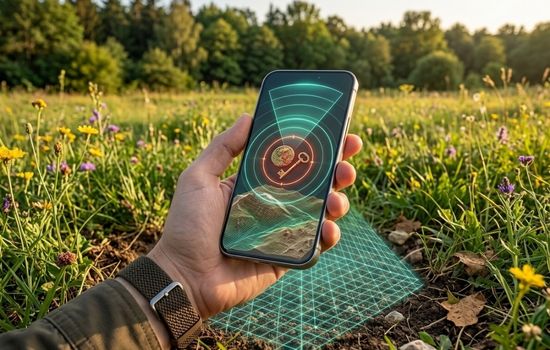
Integration with augmented reality could revolutionize how users interact with metal detector apps. Imagine pointing your phone’s camera at the ground and seeing virtual markers indicating the precise location and depth of detected metallic objects, with AI-powered suggestions about their likely identity. Such innovations may not be far off. 🚀
Making the Most of Your Detection Experience
Approaching metal detecting as a hobby rather than a get-rich-quick scheme ensures more enjoyable and rewarding experiences. While finding valuable items remains possible, most discoveries consist of common coins, costume jewelry, or interesting artifacts with more sentimental than monetary value. The true rewards come from the outdoor activity, the thrill of discovery, and the fascinating stories behind found objects.
Joining online communities dedicated to metal detecting provides opportunities to learn from experienced enthusiasts, share your discoveries, and get tips for productive search locations in your area. These communities foster connections with like-minded individuals who share your interest in this engaging hobby.
Documenting your finds through photographs and notes creates a personal collection of memories and achievements. Over time, these records become a fascinating journal of your metal detecting adventures, showing your progression from beginner to experienced searcher and preserving the stories behind your most memorable discoveries.
Metal detector apps democratize a hobby that once required significant financial investment in specialized equipment. While they can’t replace professional detectors for serious treasure hunting, these applications provide an accessible entry point for anyone curious about metal detecting. With your smartphone and the right app, you’re always prepared to search for hidden metallic treasures, locate lost items, or safely complete home improvement projects. The next time you wonder what lies beneath your feet or behind that wall, you’ll have the perfect tool right in your pocket. 📲💎