
Anúncios

Video editing has become an essential skill in today’s digital world, empowering creators to bring their stories to life with professional-quality results right from their mobile devices.
Anúncios
The rise of social media platforms like TikTok, Instagram Reels, and YouTube has transformed video content creation from a niche hobby into a mainstream activity. Whether you’re a budding influencer, a small business owner, or someone who simply wants to preserve memories in creative ways, having access to a powerful video editor app on your smartphone is no longer a luxury—it’s a necessity.
What makes modern video editing apps truly remarkable is their ability to combine professional-grade features with intuitive interfaces. Gone are the days when editing required expensive desktop software and hours of training. Today’s applications offer everything from basic trimming to advanced color grading, all accessible through a few taps on your screen. Let’s explore what makes these tools so transformative and how you can leverage them to create stunning visual content.
Anúncios
🎬 Why Mobile Video Editing Has Revolutionized Content Creation
The shift from desktop to mobile video editing represents one of the most significant democratizations of creative technology. Previously, video editing was confined to professionals with access to expensive equipment and specialized software. Now, anyone with a smartphone can produce content that rivals traditional media in quality and engagement.


Mobile video editor apps have removed traditional barriers to entry. They eliminate the need for costly subscriptions, provide instant access to royalty-free music libraries, and offer templates that guide even complete beginners through the editing process. This accessibility has unleashed a wave of creativity across demographics and geographies that would have been impossible just a decade ago.
The portability factor cannot be overstated. You can capture footage at a wedding, edit it on your commute home, and share the finished product before the evening ends. This immediacy has transformed how we document and share experiences, making video content creation spontaneous and responsive rather than a laborious post-production process.
✨ Essential Features Every Video Editor App Should Offer
When selecting a video editor app, certain features distinguish exceptional tools from mediocre ones. Understanding these capabilities will help you choose an application that matches your creative ambitions and technical requirements.
Multi-Layer Timeline Editing
Professional video editing relies on the ability to layer multiple elements—video clips, images, text, and audio tracks—on a timeline. The best mobile editors provide multi-track timelines that allow precise control over each element’s timing, duration, and transitions. This feature is fundamental for creating complex narratives and polished productions.
Advanced Transition Effects
Smooth transitions between clips can elevate your video from amateur to professional. Look for apps that offer customizable transitions beyond basic cuts and fades. Slide transitions, zoom effects, dissolves, and motion graphics can add cinematic quality to your projects when used appropriately.
Text and Title Customization
Typography plays a crucial role in video storytelling. Quality editor apps provide extensive text options, including animated titles, subtitles with auto-sync capabilities, and customizable fonts. The ability to adjust text color, size, position, and animation style gives you creative control over how information is presented to viewers.
Audio Editing Capabilities
Sound design is often overlooked by novice editors, yet it’s responsible for up to 50% of a video’s emotional impact. Your chosen app should include audio mixing tools, volume adjustment, fade in/out options, and access to sound effects libraries. Some advanced apps even offer voice-over recording and noise reduction features.

Color Correction and Grading
Professional-looking videos require proper color balance and grading. Modern video editor apps include tools for adjusting brightness, contrast, saturation, and hue. Advanced options like LUTs (Look-Up Tables) allow you to apply cinematic color profiles that give your footage a specific mood or aesthetic instantly.
Export Quality Options
The final output quality determines how your video will appear across different platforms. Your editor should support various resolution options, from HD to 4K, and offer flexible frame rate settings. Platform-specific export presets for Instagram, TikTok, YouTube, and Facebook can save considerable time and ensure optimal playback on each platform.
🎨 Creative Techniques to Enhance Your Video Projects
Mastering technical features is only half the battle. Understanding creative techniques that engage viewers and communicate your message effectively separates good videos from great ones.
The Rule of Thirds in Video Composition
This fundamental principle divides your frame into nine equal sections using two horizontal and two vertical lines. Positioning key elements along these lines or at their intersections creates visually balanced compositions that feel natural to viewers. Most video editor apps include grid overlays to help you align subjects according to this rule.
Strategic Use of B-Roll Footage
B-roll refers to supplementary footage that illustrates what’s being discussed in the main narrative. When someone speaks about visiting a beach, cutting to footage of waves and sand maintains viewer interest while reinforcing the message. Quality video editor apps make inserting and synchronizing B-roll seamless through intuitive drag-and-drop interfaces.
Pacing and Rhythm
Video pacing controls emotional engagement. Fast cuts and quick transitions create energy and excitement, perfect for action sequences or upbeat content. Slower pacing with longer shots allows for reflection and emotional connection. Understanding when to accelerate or decelerate your editing rhythm is crucial for maintaining viewer attention throughout your video.
Sound Design Layering
Professional videos rarely rely on a single audio source. Layering background music, ambient sounds, and sound effects creates depth and immersion. A video about cooking might combine background music with the sizzle of ingredients, the chop of a knife, and occasional narration—each element mixed at appropriate volumes to create a rich auditory experience.
📱 Optimizing Videos for Different Social Media Platforms
Each social media platform has unique specifications and audience expectations. Creating platform-optimized content significantly improves engagement and reach.
Instagram Reels and TikTok
These platforms prioritize vertical video in 9:16 aspect ratio. Content should capture attention within the first three seconds, as users scroll rapidly. Trending audio, text overlays, and fast-paced editing perform best. Videos typically range from 15 to 60 seconds, though longer content is now supported.
YouTube Content
YouTube favors horizontal 16:9 format with longer-form content ranging from 7 to 15 minutes for optimal algorithmic performance. Quality thumbnails, engaging introductions, and clear calls-to-action at the end are essential. YouTube viewers expect higher production values, so investing time in color correction and audio quality pays dividends.
Facebook and LinkedIn
These platforms see diverse viewing habits, with many users watching without sound initially. Effective videos include captions, large text overlays, and visually compelling openings that work silently. Square (1:1) or vertical formats perform better than traditional horizontal videos in news feeds.
🚀 Advanced Features That Set Premium Apps Apart
While basic editing functions suffice for casual users, serious content creators benefit from advanced capabilities that streamline workflows and expand creative possibilities.
Keyframe Animation
Keyframes allow you to animate virtually any parameter—position, scale, rotation, opacity—over time. This feature enables sophisticated motion graphics and dynamic text animations that would otherwise require specialized software. Learning keyframe animation unlocks professional-level visual effects within mobile editing apps.
Chroma Key (Green Screen)
Chroma keying removes specific colors (typically green or blue) from footage, allowing you to replace backgrounds with images or videos. This Hollywood technique is now available in mobile apps, enabling creative storytelling possibilities from weather reports to fantasy scenarios.
Motion Tracking
Advanced video editor apps can track moving objects within your footage and attach elements that follow that motion. You can add text that follows a person walking, or graphics that stick to a product throughout a scene. This feature adds professional polish that captures viewer attention.
AI-Powered Editing Tools
Artificial intelligence has revolutionized mobile video editing. Auto-captioning generates synchronized subtitles from speech. Smart object removal eliminates unwanted elements from footage. Automatic beat detection syncs cuts to music rhythm. These AI features dramatically reduce editing time while improving results.
💡 Tips for Creating Engaging Video Content Consistently
Technical proficiency means little without compelling content. These strategies help you create videos that resonate with audiences and encourage sharing.
Start With Strong Storytelling
Every memorable video tells a story, whether it’s a 15-second clip or a 15-minute documentary. Establish a clear beginning that sets context, a middle that develops tension or interest, and an end that provides resolution or a call to action. Even product demonstrations become more engaging when framed as problem-solution narratives.
Hook Viewers Immediately
The first three seconds determine whether someone continues watching. Start with your most visually striking or emotionally resonant moment. Ask an intriguing question, show a surprising action, or present a bold statement that demands attention. Save setup and context for after you’ve secured viewer interest.
Maintain Consistent Branding
If you’re creating content for a business or personal brand, consistency builds recognition. Use the same color palettes, fonts, intro animations, and music styles across videos. This visual consistency makes your content immediately recognizable in crowded social feeds.
Optimize Video Length for Content Type
Different content requires different durations. Tutorials and how-to videos can justify longer runtimes because viewers seek specific information. Entertainment content should be as long as it remains engaging—no longer. Test different lengths and monitor completion rates to find your sweet spot.
🔧 Troubleshooting Common Video Editing Challenges
Even experienced editors encounter obstacles. Understanding solutions to common problems saves frustration and improves workflow efficiency.
Managing Storage Limitations
Video files consume substantial storage space, especially at higher resolutions. Regularly transfer completed projects to cloud storage or external drives. Some video editor apps offer cloud-based editing that processes footage without downloading full-resolution files to your device, preserving precious storage capacity.
Preventing Export Quality Loss
Videos sometimes appear degraded after export compared to the preview. Ensure you’re exporting at the highest resolution your source footage supports. Avoid multiple re-encoding cycles, as each export potentially degrades quality. When possible, edit in the same format as your source files to minimize conversion quality loss.
Synchronizing Audio and Video
Sync issues frustrate viewers and appear unprofessional. When recording separate audio (like podcast-style interviews), create a sync point by clapping at the start. This creates a visual and audio spike you can align precisely during editing. Quality video editor apps include tools for micro-adjusting sync frame-by-frame.
Reducing App Crashes During Editing
Complex projects with multiple layers can overtax mobile processors. Close background applications before editing, ensure your device has adequate free storage, and regularly save your project. Some apps offer proxy editing modes that use lower-resolution versions during editing, only applying effects to full-resolution footage during final export.
🌟 Building Skills Through Practice and Learning
Video editing is a craft that improves with deliberate practice. Even professional editors continue learning throughout their careers as technology and aesthetic trends evolve.
Start with simple projects that focus on mastering one skill at a time. Your first few videos might only practice cutting clips to music rhythm. Subsequent projects can add text overlays, then transitions, then color grading. This incremental approach builds foundational skills without overwhelming you with complexity.
Study videos you admire analytically. When you encounter content that resonates, watch it multiple times to deconstruct what makes it effective. Notice editing rhythm, transition choices, color palettes, and audio design. Understanding why something works helps you incorporate those principles into your own creations.
Many video editor apps include tutorial libraries and template galleries. These resources provide practical learning opportunities while producing usable content. Templates also offer reverse-engineering opportunities—you can examine how professional editors structured their projects and adapt those techniques to your own style.
Join online communities focused on mobile video editing. Platforms like Reddit, Facebook groups, and Discord servers host creators at all skill levels who share tips, critique work, and celebrate achievements. This peer learning accelerates skill development and keeps you motivated during challenging creative periods.
📈 Measuring Success and Improving Your Video Content
Creating videos is only part of the equation. Understanding what resonates with your audience allows you to refine your approach and grow your following.
Most social platforms provide analytics showing view counts, watch time, engagement rates, and audience demographics. Pay particular attention to average view duration—the point where viewers drop off indicates where your content loses effectiveness. Consistently strong completion rates signal compelling content that holds attention throughout.
Engagement metrics like comments, shares, and saves often matter more than raw view counts. These interactions indicate that your content resonated enough to inspire action. Analyze which videos generate the most engagement and identify common elements—topics, editing styles, length, or presentation format—that you can replicate in future content.
Don’t fear experimentation. Algorithm changes and audience preferences shift constantly. Testing new formats, topics, and editing techniques keeps your content fresh and helps you discover what works best for your unique audience. Some experiments will fail, but each provides valuable data informing future creative decisions.
🎯 Monetization Opportunities Through Video Creation
As your video editing skills improve and your audience grows, various monetization pathways become available, potentially transforming a hobby into income.
Content creator programs on YouTube, TikTok, and Instagram offer revenue sharing based on view counts and engagement. Meeting eligibility requirements typically demands consistency and quality over several months, but creators who persist can generate significant income from advertising revenue and platform bonuses.
Brand partnerships and sponsored content provide lucrative opportunities for creators with engaged audiences. Companies pay creators to feature products or services in videos. Authenticity matters tremendously here—audiences quickly detect insincere endorsements, so only partner with brands that genuinely align with your content and values.
Video editing skills themselves represent marketable services. Many businesses, influencers, and fellow creators need editing assistance but lack time or expertise. Freelance platforms connect video editors with clients willing to pay for professional-quality work. Starting with competitive rates builds your portfolio and reputation, allowing you to gradually increase pricing as demand grows.
Digital products like video templates, LUTs, sound effect packs, and editing courses allow you to monetize your expertise. Once created, these products generate passive income as customers purchase downloads. This model rewards creators who invest time developing high-quality resources that solve common problems or fulfill creative needs.
🌐 The Future of Mobile Video Editing Technology
Mobile video editing technology evolves rapidly, with emerging trends pointing toward increasingly sophisticated capabilities that blur the line between mobile and desktop workflows.
Artificial intelligence will continue expanding its role in video production. We’re moving toward AI that can automatically edit entire videos based on simple text prompts, select the most visually appealing shots from raw footage, and even generate synthetic B-roll from descriptions. While human creativity remains irreplaceable, these tools will dramatically accelerate the technical aspects of editing.
Cloud-based editing represents another significant trend. Rather than processing everything on your device, cloud editing platforms handle intensive tasks on remote servers, streaming results to your smartphone. This approach enables features previously impossible on mobile hardware, like real-time collaboration where multiple editors work on the same project simultaneously from different locations.
Augmented reality integration promises exciting creative possibilities. Imagine editing videos where you can place virtual elements in physical space, previewing how graphics will look in real-world environments before committing to the edit. AR interfaces might also revolutionize the editing process itself, allowing editors to manipulate timelines and elements through gesture controls in three-dimensional space.
The distinction between capture and editing continues dissolving. Future video editor apps will increasingly integrate with camera functions, applying effects and corrections in real-time during recording. This convergence streamlines workflows and enables creative decisions during filming that previously required post-production work.
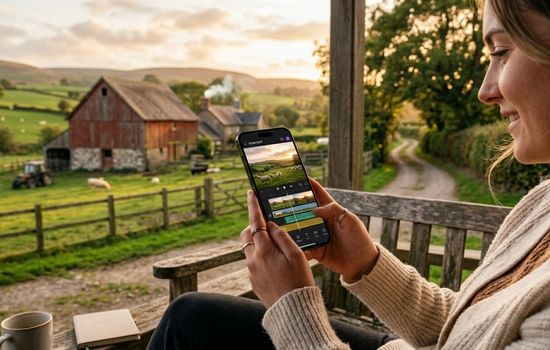
🎬 Taking Your First Steps as a Video Creator
If you’ve read this far, you’re clearly interested in video editing beyond casual curiosity. The most important step is simply starting—downloading an app and creating your first project, however imperfect it might be.
Don’t let perfectionism paralyze you. Every accomplished video editor started with clumsy first attempts filled with awkward cuts and mismatched audio. The difference between beginners and professionals isn’t innate talent—it’s accumulated hours of practice, experimentation, and learning from mistakes.
Set realistic expectations for your early work. Your first videos won’t rival professional productions, and that’s completely normal. Focus on learning one new technique with each project. Celebrate small victories like successfully syncing audio to video or creating a smooth transition between clips. These incremental improvements compound rapidly into genuine skill.
Share your work despite imperfections. Publishing videos, even to a small audience, provides valuable feedback and accountability. The fear of judgment prevents many talented people from developing their abilities. Remember that everyone scrolling past your video is focused on their own life, not critiquing your work with the severity you imagine.
Video editing opens doors to creative expression, professional opportunities, and meaningful connections with audiences worldwide. The tools are accessible, the learning resources are abundant, and the potential applications are limitless. Whether you aspire to become a full-time content creator, enhance your business marketing, or simply preserve memories more creatively, investing time in video editing skills delivers returns far beyond the initial effort.
The journey from complete beginner to confident video editor is challenging but deeply rewarding. Every tutorial watched, every effect learned, and every project completed builds a skillset increasingly valuable in our visual-first digital culture. Your unique perspective and stories deserve to be shared, and video editor apps provide the tools to share them with the world in compelling, professional ways. Start today, embrace the learning process, and discover where your creative vision can take you. 🚀