
Anúncios
Looking to try out a tattoo before committing to the real thing? Modern technology now offers powerful apps that let you visualize and design tattoos directly on your skin through augmented reality and AI-powered tools.

Getting a tattoo is a permanent decision that shouldn’t be taken lightly. Whether you’re considering your first piece of body art or adding to an existing collection, the ability to preview how a design will look on your actual body has become invaluable. Tattoo simulation apps have revolutionized the way people approach body art, offering a risk-free way to experiment with different styles, placements, and sizes.
Anúncios


These innovative applications combine artificial intelligence, augmented reality, and user-friendly design tools to create realistic tattoo previews. From generating custom designs based on text prompts to virtually placing existing artwork on your skin through your phone’s camera, these apps have become essential tools for both tattoo enthusiasts and first-timers alike.
🎨 How Tattoo Simulation Apps Work
Tattoo simulation applications utilize cutting-edge technology to bring your body art visions to life before you ever step into a tattoo parlor. The core functionality typically relies on augmented reality (AR) technology that accesses your smartphone’s camera to map designs onto your body in real-time.
Anúncios
Most advanced apps now incorporate artificial intelligence to generate unique tattoo designs based on user descriptions. You simply type what you want—whether it’s “dragon wrapped around a sword” or “minimalist mountain landscape”—and the AI creates original artwork tailored to your specifications.
The simulation process generally works by identifying the contours and dimensions of your body part through camera recognition. The app then overlays the tattoo design, adjusting for perspective, skin tone, and body curves to create a photorealistic preview. Some applications even simulate how the tattoo might age or appear under different lighting conditions.
Advanced features include design customization tools that let you adjust size, rotation, color saturation, and placement with simple touch gestures. This interactive approach gives you complete control over how your potential tattoo will appear.
✨ Key Features to Look For in Tattoo Apps
When selecting a tattoo simulation app, certain features significantly enhance the user experience and provide more accurate visualizations. Understanding what to look for helps you choose the right tool for your needs.
AI-Powered Design Generation
The most innovative apps now feature artificial intelligence that creates custom tattoo designs from text descriptions. This technology opens up limitless creative possibilities, especially if you have a concept in mind but lack artistic skills to sketch it yourself.
These AI systems have been trained on thousands of tattoo styles—from traditional American to Japanese irezumi, from geometric patterns to realistic portraits. The quality of AI-generated designs has improved dramatically, often producing artwork that rivals human-created pieces.
Augmented Reality Visualization
Real-time AR preview remains the cornerstone feature of any quality tattoo app. This technology allows you to point your camera at any body part and see how a design looks in actual placement, accounting for body contours and movement.
The best AR implementations track your movements smoothly, keeping the tattoo design properly aligned even as you move or change angles. This dynamic preview gives you a much more realistic sense of how the tattoo will appear in everyday life.
Extensive Design Library
While AI generation is exciting, having access to a comprehensive library of pre-made designs remains valuable. Quality apps offer thousands of professionally created tattoo designs across multiple categories including tribal, floral, animal, text-based, abstract, and cultural symbols.
These libraries should be well-organized with robust search and filtering capabilities, making it easy to find designs that match your aesthetic preferences and intended placement.
Customization Tools
Flexibility in modifying designs separates average apps from exceptional ones. Look for features that allow you to resize designs proportionally, rotate them to any angle, adjust color intensity, and even combine multiple elements into a single composition.
Some apps offer layer-based editing similar to professional design software, enabling more sophisticated customizations while maintaining user-friendliness.
Save and Share Capabilities
Being able to save your tattoo previews is essential for comparing different options over time. The best apps let you create galleries of your favorite designs and simulations, making it easier to narrow down your final choice.
Sharing functionality allows you to send previews to friends, family, or your tattoo artist for feedback before making your final decision. Some apps even facilitate direct communication with tattoo professionals within the platform.
💡 Benefits of Using Tattoo Simulation Apps
Beyond the obvious advantage of seeing before inking, tattoo simulation apps offer numerous benefits that enhance the entire tattoo experience from conception to completion.
Risk-Free Experimentation
The permanent nature of tattoos makes many people hesitant to commit. Simulation apps eliminate this anxiety by allowing unlimited experimentation. You can try dozens of designs, placements, and styles without any commitment or cost beyond the app itself.
This freedom encourages creativity and often leads people to discover styles they hadn’t previously considered. You might think you want a large back piece but discover through simulation that you prefer smaller, more discrete placements.
Better Communication with Tattoo Artists
Walking into a tattoo studio with clear visual references of what you want—including exact placement and sizing—makes consultations far more productive. Artists can immediately understand your vision and provide informed feedback about what will work well.
Many tattoo professionals appreciate when clients arrive prepared with simulations, as it reduces misunderstandings and helps ensure the final result matches expectations.
Placement Optimization
Choosing where to place a tattoo is just as important as the design itself. Simulation apps let you test the same design on multiple body parts to see where it looks best. A design that looks incredible on your forearm might not translate well to your shoulder, and vice versa.
You can also experiment with how visible you want your tattoo to be, trying areas that are easily covered by clothing versus more exposed locations.
Cost and Time Savings
While cover-ups and laser removal technology have improved, they remain expensive and time-consuming. Simulation apps essentially provide insurance against regrettable tattoo decisions, potentially saving you thousands of dollars and considerable disappointment.
Additionally, arriving at your tattoo appointment with a clear, finalized concept saves session time and can reduce the overall cost of getting inked.
🖼️ Popular Tattoo Styles You Can Explore
Tattoo simulation apps typically offer designs across all major tattoo styles. Understanding these categories helps you navigate design libraries and communicate your preferences more effectively.
Traditional and Neo-Traditional
Traditional tattoos feature bold black outlines, limited color palettes, and iconic imagery like anchors, roses, and eagles. Neo-traditional builds on this foundation with more detail, shading complexity, and expanded color options while maintaining that classic tattoo aesthetic.
Realism and Portrait Work
Realistic tattoos attempt to replicate photographic quality on skin, often depicting faces, animals, or landscapes with incredible detail. These designs require skilled artists but simulation apps can help you preview whether this style suits your aesthetic preferences.
Minimalist and Fine Line
The popularity of subtle, delicate tattoos has exploded in recent years. These designs use thin lines and minimal shading to create elegant, understated body art. Simulation apps excel at showing how these tattoos maintain visibility while remaining discrete.
Tribal and Polynesian
Geometric patterns with cultural significance remain popular tattoo choices. Apps with comprehensive libraries include authentic designs from various cultures, though it’s important to research and respect the cultural meanings behind these symbols.
Watercolor and Abstract
Artistic tattoos that mimic watercolor paintings or abstract art offer vibrant, unique alternatives to traditional styles. Simulation helps you visualize how these less structured designs will appear on your body’s curves and contours.
📱 Making the Most of Your Tattoo App Experience
To get optimal results from tattoo simulation applications, following some best practices enhances both the accuracy of previews and your overall decision-making process.
Use Good Lighting
The quality of AR simulations depends heavily on lighting conditions. Use the app in bright, natural light when possible to get the most accurate skin tone representation and design clarity. Avoid harsh shadows or extreme backlighting that can distort the preview.
Try Multiple Angles
Don’t just preview your tattoo from one perspective. Move around, check how it looks in mirrors, and simulate how others will see it from various angles. This comprehensive approach reveals whether a design works from all viewpoints or only looks good straight-on.
Consider Long-Term Placement
Think about how your body might change over time. Areas that experience significant muscle growth, weight fluctuation, or skin changes with aging may distort certain designs. Simulation apps can’t predict these changes, but being mindful of placement helps ensure longevity.
Take Your Time
One of the greatest advantages of simulation apps is that there’s no rush. Save multiple options, revisit them over several days or weeks, and notice which designs you consistently gravitate toward. This patient approach often leads to more satisfying final choices.
Gather Feedback Thoughtfully
While sharing simulations with others for opinions can be helpful, remember that your tattoo is ultimately personal. Use feedback to identify concerns you might have overlooked, but don’t let others’ preferences override your own instincts about your body art.
🎯 From Simulation to Reality: Next Steps
Once you’ve used a simulation app to finalize your design and placement, several important steps remain before getting your actual tattoo.
Finding the Right Artist
Not all tattoo artists excel at every style. Research artists who specialize in your chosen style by reviewing their portfolios on social media or studio websites. Many tattoo professionals have specific strengths—some excel at realism while others specialize in traditional or geometric work.
Your simulation serves as an excellent reference point during consultations, but be open to professional advice. Experienced artists understand technical limitations and may suggest modifications that will improve how your tattoo ages and holds up over time.
Understanding the Limitations of Simulation
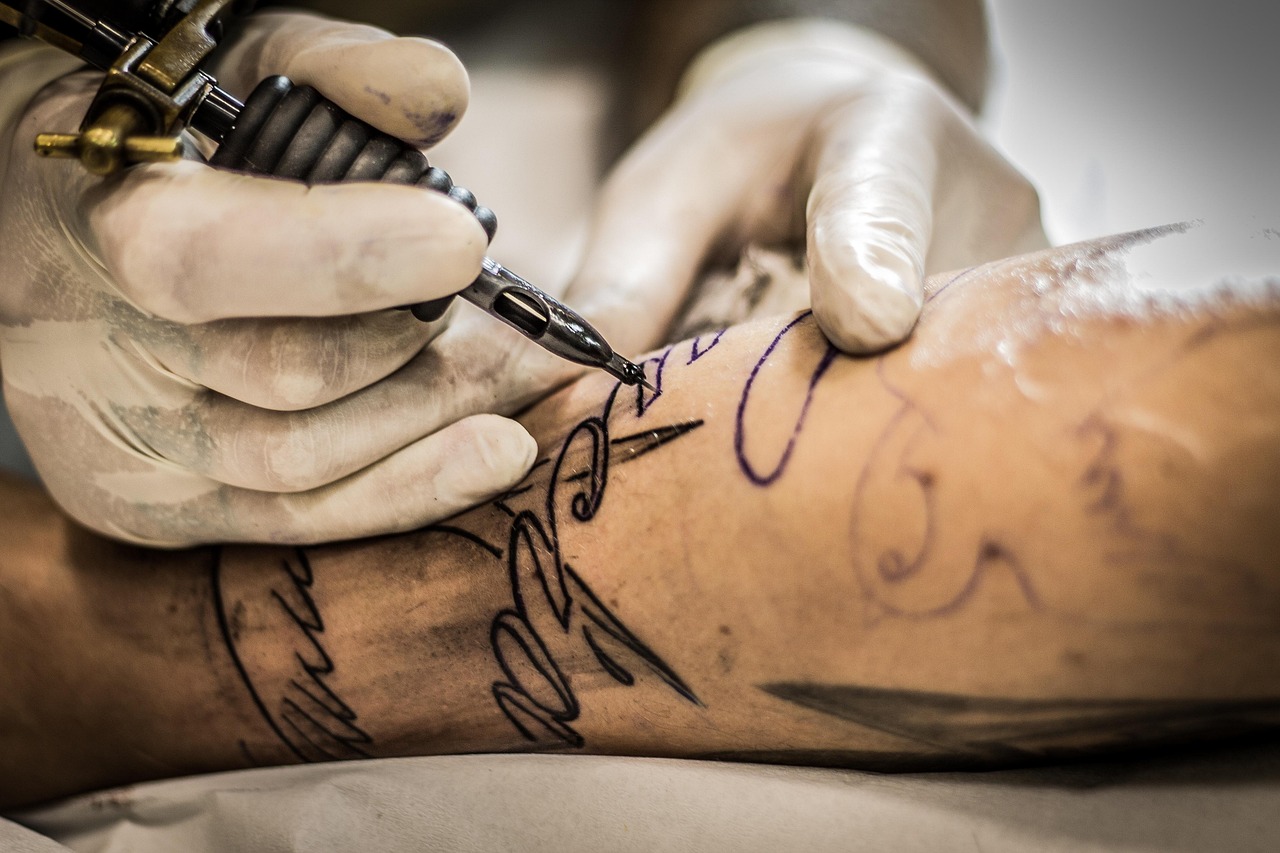
While tattoo apps provide valuable previews, they can’t perfectly replicate every aspect of real tattoos. Skin texture, the healing process, and how ink settles into skin introduce variables that apps can’t fully simulate. The actual tattooing experience and final result may differ slightly from your preview.
Colors may appear differently on screen versus on skin, particularly for those with darker skin tones. Discuss color choices with your artist, who can show you how different inks will appear on your specific complexion.
Preparing for Your Appointment
Bring your simulation images to your tattoo appointment, either as screenshots or by having the app ready on your phone. This visual reference ensures you and your artist remain aligned throughout the process.
Discuss sizing carefully—what looks proportional on a phone screen might need adjustment for your actual body dimensions. Your artist can use stencils to show you the actual size before beginning the permanent work.
🔒 Privacy and Safety Considerations
When using tattoo simulation apps, being mindful of privacy and data security protects your personal information and images.
Review the app’s privacy policy before uploading photos or creating an account. Understand what data the app collects, how it’s stored, and whether it’s shared with third parties. Reputable apps clearly disclose their data practices and give users control over their information.
Be cautious about apps that require excessive permissions unrelated to their core functionality. A tattoo app needs camera access for AR features, but requesting access to your contacts, messages, or location might indicate privacy concerns.
If you’re uncomfortable having photos of your body stored on external servers, look for apps that process simulations locally on your device or offer options to delete images after use.
🌟 The Future of Tattoo Technology
Tattoo simulation technology continues evolving rapidly, with exciting developments on the horizon that will further enhance the design and visualization process.
Artificial intelligence is becoming increasingly sophisticated, moving beyond simple design generation to understanding artistic styles, cultural symbolism, and personalized aesthetics. Future AI might learn your preferences and suggest designs tailored specifically to your taste.
Virtual reality integration could provide even more immersive previews, letting you see your tattoo in simulated real-world environments and social situations. This technology would help you understand not just how your tattoo looks, but how it feels as part of your daily presentation.
Improved body mapping technology may soon account for muscle structure, typical body positions, and even predict how designs might age based on your skin type and lifestyle factors.
Integration between simulation apps and tattoo studios is likely to become more seamless, with direct booking, artist collaboration features, and perhaps even augmented reality tools that assist tattoo artists during the actual inking process.
🎨 Turning Digital Dreams Into Ink Reality
Tattoo simulation apps have fundamentally changed how people approach body art, removing much of the guesswork and anxiety from what was once a leap of faith. By providing risk-free experimentation, realistic previews, and powerful design tools, these applications empower both first-timers and tattoo collectors to make confident, informed decisions.
The technology bridges the gap between imagination and reality, letting you visualize exactly how your body art will look before making a permanent commitment. Whether you’re exploring design possibilities, optimizing placement, or preparing for a consultation with a tattoo artist, simulation apps serve as invaluable companions throughout your tattoo journey.
Remember that while technology provides excellent guidance, the final decision remains deeply personal. Use these tools to explore, experiment, and refine your vision, but trust your instincts about what feels right for your body and your story. The best tattoos are those that maintain meaning and aesthetic appeal for years to come, and simulation apps help ensure your choice is one you’ll love permanently.
Take advantage of these innovative tools to design body art that truly represents who you are. With artificial intelligence, augmented reality, and comprehensive design libraries at your fingertips, creating the perfect tattoo has never been more accessible or exciting. Your ideal design is waiting to be discovered—all it takes is downloading the right app and letting your creativity flow. 🌈