Anúncios
Remote control apps for TVs have become essential tools in our daily lives, offering convenience and versatility that traditional remotes simply can’t match.


Picture this: you’re settled comfortably on your couch, ready to watch your favorite show, and suddenly realize the TV remote is nowhere to be found. Sound familiar? This frustrating scenario happens to millions of people every day. Fortunately, technology has provided an elegant solution that’s always within reach—your smartphone.
Anúncios
TV remote control apps have revolutionized how we interact with our entertainment systems. These powerful applications transform your mobile device into a versatile control center, offering features that go far beyond what traditional remotes can do. From voice commands to keyboard input, these apps are changing the game entirely.
📱 Why Your Smartphone Makes the Perfect Remote
The shift from physical remotes to smartphone apps isn’t just about convenience—it’s about embracing a smarter way to control your entertainment. Your phone is already the device you carry everywhere, so why not leverage it for your TV too?
Anúncios
Modern remote control apps utilize either infrared technology (for phones equipped with IR blasters) or Wi-Fi connectivity to communicate with your television. This means compatibility with virtually any smart TV on the market, regardless of brand or model. The technology seamlessly bridges the gap between your mobile device and your entertainment system.
Unlike physical remotes that run out of batteries at the worst possible moments, your smartphone is already charged and ready. You’re far more likely to notice when your phone needs charging than when your remote’s batteries are dying. This inherent advantage makes smartphone remotes more reliable for everyday use.
🎯 Key Features That Make Remote Apps Stand Out
What sets these applications apart from traditional remotes goes beyond simple button pressing. They’ve evolved into comprehensive control centers packed with intelligent features.
Voice Control Integration ✨
One of the most transformative features is voice command capability. Instead of navigating through endless menus, you can simply speak your request. Want to watch a specific show? Just say it. Need to adjust the volume? Voice commands handle it instantly.
This functionality proves especially valuable for accessibility purposes. Users with mobility challenges or visual impairments find voice-controlled TV remotes significantly easier to use than traditional alternatives. The technology democratizes entertainment access for everyone.
Universal Compatibility Across Brands 🔄
Gone are the days of juggling multiple remotes for different devices. Quality remote apps support extensive device databases, covering major brands like Samsung, LG, Sony, Panasonic, Philips, and countless others. This universal approach simplifies your entertainment setup dramatically.
The apps automatically detect compatible devices on your network, making setup incredibly straightforward. Within minutes, you’re controlling your entire entertainment system from one convenient interface. No complicated programming or code entry required.
Advanced Navigation Tools ⌨️
Searching for content using traditional remote arrow keys feels painfully slow in today’s streaming era. Remote apps solve this problem by providing full keyboard functionality. Type searches quickly and accurately using your phone’s keyboard—the same way you text or browse.
Many apps also include touchpad modes, transforming your phone screen into a precision navigation surface. This feature mirrors laptop touchpad functionality, offering fluid control that feels natural and responsive.
🏆 Top Remote Control Apps Worth Downloading
The app marketplace offers numerous remote control solutions, each with unique strengths. Understanding which app best fits your needs ensures optimal user experience.
Universal TV Remote Control Apps
Comprehensive universal remote apps dominate the market for good reason. These versatile solutions work with virtually any television brand and model, eliminating compatibility concerns entirely. They combine infrared and Wi-Fi connectivity options, ensuring functionality regardless of your phone’s hardware capabilities.
These apps typically feature clean, intuitive interfaces that mimic physical remotes while adding enhanced functionality. Customizable button layouts let you prioritize your most-used functions, creating a personalized control experience tailored to your viewing habits.
Brand-Specific Applications
Major TV manufacturers offer proprietary apps designed specifically for their products. Samsung’s SmartThings, LG’s ThinQ, and Sony’s TV SideView provide deep integration with their respective ecosystems. While limited to single brands, these apps unlock advanced features unavailable through universal alternatives.
Screen mirroring, content casting, and device ecosystem integration represent significant advantages of manufacturer apps. If you own multiple devices from the same brand, these apps create cohesive control experiences across your entire smart home.
🔧 Setting Up Your Remote Control App
Getting started with a TV remote app requires minimal technical knowledge. The process typically takes just a few minutes from download to full functionality.
Connection Methods Explained
For Wi-Fi-enabled smart TVs, ensure both your television and smartphone connect to the same wireless network. This shared connection allows the devices to communicate seamlessly. Most apps automatically scan for available devices, displaying them in a simple selection menu.
If your phone includes an infrared blaster, you gain additional compatibility with older, non-smart TVs. The app guides you through a simple setup process where you select your TV brand and model. Within seconds, your phone transforms into a fully functional remote.
Troubleshooting Common Issues 🛠️
Occasionally, you might encounter connection difficulties. The most common culprit? Network settings. Verify both devices share the same Wi-Fi network and that your router doesn’t isolate connected devices through AP isolation or guest network restrictions.
Firewall settings on your TV or router can also prevent proper communication. Temporarily disabling these security features during setup helps identify if they’re causing problems. Remember to re-enable protections once you’ve established a successful connection.
💡 Maximizing Your Remote App Experience
Once installed, remote apps offer numerous ways to enhance your viewing experience beyond basic channel changing and volume control.
Custom Shortcuts and Macros
Advanced apps allow custom shortcut creation for frequently performed actions. Launch Netflix with one tap, switch to your gaming console instantly, or activate your preferred picture mode without navigating menus. These personalized shortcuts save time and frustration during everyday use.
Some applications support macro programming, where single commands trigger multiple actions sequentially. Imagine one button that turns on your TV, switches to the correct input, launches your streaming service, and adjusts volume to your preferred level—all automatically.
Multi-Device Control 🎮
Modern entertainment systems include numerous devices: TVs, soundbars, streaming boxes, gaming consoles, and more. Premium remote apps consolidate control of these devices into unified interfaces. Switch between controlling your TV, adjusting soundbar settings, and navigating your streaming device without changing apps.
This centralized control approach dramatically simplifies complex home theater setups. No more confusion about which remote controls which device—everything operates through one intuitive interface.
🔐 Privacy and Security Considerations
When granting apps access to your home network and devices, understanding privacy implications becomes essential. Reputable remote apps prioritize user security, but staying informed protects your digital ecosystem.
Permission Awareness
Pay attention to permissions requested during installation. Legitimate remote apps need network access and possibly location services for device discovery. However, excessive permission requests for contacts, photos, or microphone access should raise red flags unless clearly justified by specific features.
Reading user reviews and checking developer credentials provides insight into app trustworthiness. Established developers with transparent privacy policies and regular updates typically offer safer, more reliable experiences than unknown entities.
Network Security Best Practices 🔒
Secure your home Wi-Fi network with strong passwords and WPA3 encryption when possible. This foundational security protects all connected devices, including TVs controlled through remote apps. Regular router firmware updates patch vulnerabilities that could compromise your network security.
Consider creating separate network segments for entertainment devices versus sensitive personal devices like computers containing financial information. Many modern routers support guest networks or VLANs that provide this separation easily.
🌟 The Future of TV Remote Technology
Remote control apps continue evolving rapidly, incorporating emerging technologies that promise even more convenient entertainment experiences.
Artificial Intelligence Integration
AI-powered remote apps learn your viewing patterns and preferences over time. They proactively suggest content based on your habits, automatically adjust picture settings for different content types, and even predict which device you want to control based on time of day.
Machine learning algorithms optimize app performance by identifying which features you use most frequently, bringing them forward in the interface. This adaptive behavior creates increasingly personalized experiences that feel tailored specifically to you.
Gesture and Motion Control 👋
Experimental features utilizing smartphone accelerometers and gyroscopes enable gesture-based control. Wave your phone to adjust volume, tilt to navigate menus, or shake to activate specific functions. While still emerging, these intuitive control methods represent exciting possibilities for future interactions.
Augmented reality features might soon let you point your phone’s camera at your TV to instantly access context-specific controls and information about what you’re watching. The boundary between physical and digital continues blurring in fascinating ways.
📊 Comparing Remote Apps: What to Look For
With dozens of remote control apps available, selecting the right one requires understanding key differentiators that impact daily usability.
Interface Design Matters
User interface quality dramatically affects how enjoyable and efficient an app feels during regular use. Look for clean, uncluttered designs with logical button placement that mirrors familiar remote layouts. Customization options let you adapt interfaces to personal preferences.
Dark mode support proves essential for late-night viewing when bright phone screens disrupt the atmosphere. The best apps automatically detect ambient lighting conditions and adjust interface brightness accordingly.
Response Speed and Reliability ⚡
Nothing frustrates users more than laggy, unresponsive controls. Premium apps prioritize minimal latency between button presses and TV responses. This responsiveness depends on efficient coding and optimized network communication protocols.
Reliability encompasses consistent connectivity without frequent disconnections. Apps that maintain stable connections even when your phone sleeps or switches between apps demonstrate superior engineering and provide frustration-free experiences.
Additional Features and Value-Adds
Beyond basic remote functionality, consider which extra features add genuine value to your viewing experience. Built-in streaming service integration, TV guide information, content recommendations, and screen mirroring capabilities transform apps from simple remotes into comprehensive entertainment hubs.
Ad-supported free versions offer excellent functionality for casual users, while premium paid options typically remove advertisements and unlock advanced features. Evaluate whether premium features justify subscription costs based on your specific usage patterns and needs.
🎬 Real-World Applications and Use Cases
Understanding practical scenarios where remote apps shine helps illustrate their value beyond theoretical benefits.
Family Viewing Scenarios 👨👩👧👦
Parents appreciate parental control features available through many remote apps. Set viewing time limits, restrict certain channels or apps, and monitor what content children access—all from your smartphone. These controls provide peace of mind without requiring constant physical supervision.
Multiple family members can install the same app, turning every smartphone into a functional remote. This eliminates arguments over who controls the remote and accommodates different user preferences through personalized app configurations.
Accessibility and Assisted Living
For elderly users or those with disabilities, smartphone remote apps often prove easier to use than traditional remotes with tiny buttons and confusing layouts. Larger, customizable buttons, voice control options, and simplified interfaces remove barriers to independent entertainment access.
Caregivers can also assist remotely by accessing the same controls from their devices, helping loved ones troubleshoot issues or navigate complex menu systems without being physically present.
Hotel and Travel Convenience ✈️
Travelers frequently encounter unfamiliar TV remotes in hotel rooms. Universal remote apps eliminate this learning curve, providing consistent interfaces regardless of the TV brand. Simply connect to the room’s Wi-Fi or use infrared functionality to gain instant control.
This convenience extends to vacation rentals, friend’s homes, or any environment with unfamiliar entertainment systems. Your smartphone becomes a portable remote that works everywhere.
🔄 Transitioning From Physical to Digital Remotes
Making the switch from traditional remotes to smartphone apps requires minimal adjustment, and most users adapt within days.
Overcoming Initial Hesitation
Some users initially feel reluctant to abandon physical remotes they’ve used for years. This hesitation typically stems from unfamiliarity rather than genuine limitations. Starting by using both remotes simultaneously eases the transition, allowing gradual adaptation without frustration.
Keep your physical remote as a backup while you explore app functionality. You’ll likely discover that the app’s enhanced capabilities quickly become indispensable, naturally reducing reliance on the traditional remote.
Building New Habits 🔄
Creating new routines helps cement the transition. Place your physical remote in a drawer rather than its usual spot, making your phone the path of least resistance. Within a week, reaching for your smartphone to control the TV becomes second nature.
Explore one new app feature daily to discover capabilities you didn’t know existed. This gradual exploration reveals how much more versatile smartphone remotes are compared to their physical predecessors.
💭 Making the Smart Choice for Your Entertainment
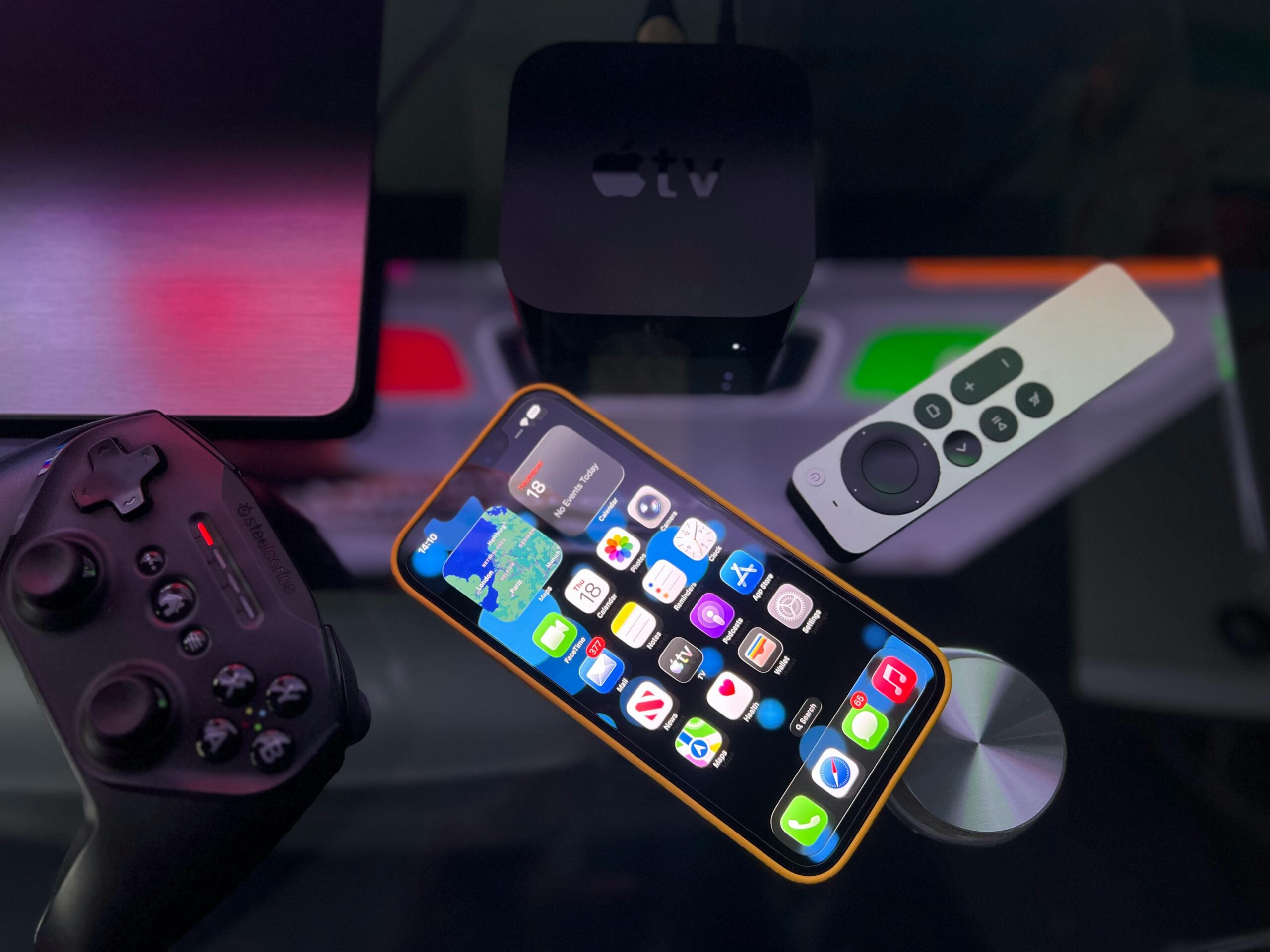
Remote control apps represent more than just convenient alternatives to physical remotes—they embody the ongoing convergence of our digital lives around smartphones as central control hubs.
The question isn’t whether to try a remote app, but rather which one best suits your specific needs and preferences. With free options offering robust functionality and premium versions unlocking advanced features, there’s truly something for everyone.
Start by downloading a highly-rated universal remote app today. Spend just five minutes setting it up, and you’ll wonder how you ever tolerated the limitations of traditional remotes. Your smartphone already handles communication, navigation, photography, and countless other tasks—why shouldn’t it control your TV too?
The future of home entertainment control sits comfortably in your pocket, waiting to transform your viewing experience. Embrace this evolution and discover just how much easier and more enjoyable your entertainment can become with the right remote control app.