
Anúncios
Culture is the invisible architect of our values, quietly shaping what we cherish, pursue, and protect throughout our lives. 🌍

Every day, billions of people wake up with different priorities, aspirations, and definitions of success—not because of random chance, but because culture has woven itself into the fabric of their worldview. What one society celebrates as the pinnacle of achievement, another might view with indifference or even concern. Understanding these cultural differences isn’t just an academic exercise; it’s essential for building bridges in our increasingly interconnected world.
Anúncios
The values we hold dear—whether it’s individual achievement, family harmony, material wealth, or spiritual fulfillment—are profoundly influenced by the cultural contexts in which we’re raised. These values shape our decisions, relationships, career paths, and even how we define happiness itself. As globalization brings diverse cultures into closer contact than ever before, exploring how different societies prioritize different values becomes not just fascinating, but necessary for meaningful cross-cultural understanding.
The Cultural Lens: How We Learn What Matters
From the moment we’re born, we’re immersed in cultural lessons about what deserves our attention, respect, and effort. These lessons don’t arrive through formal instruction alone—they seep into our consciousness through stories, observations, celebrations, and countless daily interactions. A child growing up in Tokyo learns different lessons about community responsibility than one raised in Texas, just as a teenager in Mumbai absorbs different messages about family obligations than one in Stockholm.
Anúncios
Cultural transmission of values happens through multiple channels. Parents and extended family members serve as the first teachers, modeling behaviors and explicitly stating what’s important. Educational systems reinforce cultural priorities through curriculum choices, teaching methods, and reward structures. Religious institutions, media, literature, and even architecture communicate what a society holds sacred. Over time, these repeated messages become internalized, feeling less like learned behavior and more like fundamental truth.
What makes this process particularly powerful is its invisibility. Most people don’t consciously recognize their values as culturally constructed; instead, they experience them as self-evident realities. This explains why cross-cultural misunderstandings can feel so jarring—when someone violates our cultural values, it doesn’t just seem wrong, it feels wrong at a visceral level. 💭
Individualism vs. Collectivism: The Fundamental Divide
Perhaps no dimension of cultural difference has been studied more extensively than the spectrum between individualistic and collectivistic societies. This fundamental distinction shapes countless aspects of what people value, from career choices to relationship dynamics.
Individualistic cultures, predominant in North America, Western Europe, and Australia, prioritize personal autonomy, self-expression, and individual achievement. In these societies, people are encouraged to “find themselves,” pursue their unique passions, and stand out from the crowd. Success is often measured by personal accomplishments, and the ideal self is independent, self-reliant, and authentic to one’s inner desires.
Children in individualistic cultures learn early to make choices based on personal preferences. “What do you want to be when you grow up?” isn’t just a question—it’s a fundamental assumption that individual desire should guide life direction. Career satisfaction is measured largely by personal fulfillment, and relationships are ideally chosen based on emotional connection rather than practical considerations or family approval.
Collectivistic cultures, common throughout Asia, Africa, Latin America, and the Middle East, tell a different story. Here, the group—whether family, community, or organization—takes precedence over individual desires. People define themselves primarily through their relationships and roles within groups. Success means fulfilling responsibilities to others and maintaining group harmony, even when this requires personal sacrifice.
In collectivistic contexts, individual desires are balanced against—and often subordinated to—collective needs. The question isn’t just “What do I want?” but “What does my family need?” and “How will my choices affect those around me?” This creates different priorities: maintaining face, preserving relationships, honoring elders, and contributing to family prosperity often outrank personal happiness or self-actualization. ⚖️
Time Orientation: Future Planning vs. Present Experience
Cultural attitudes toward time profoundly influence what people value and pursue. Some cultures are intensely future-oriented, viewing the present primarily as preparation for what’s to come. Others prioritize present experience, traditions, or maintaining continuity with the past.
Future-oriented societies, particularly in North America and Northern Europe, place enormous value on planning, progress, and delayed gratification. People in these cultures are encouraged to sacrifice present pleasures for future gains—studying hard now for career success later, saving money for retirement, or enduring unpleasant tasks to achieve long-term goals. Innovation, efficiency, and “getting ahead” are prized, and there’s constant pressure to improve, optimize, and prepare for tomorrow.
This future orientation shapes countless daily decisions. People invest heavily in education, maintain detailed calendars, set measurable goals, and feel anxious when they’re not “making progress.” Leisure itself is often justified by its contribution to future productivity—networking at social events, reading for self-improvement, or exercising to prevent future health problems.
Present-oriented cultures take a different approach, valuing spontaneity, flexibility, and enjoying current experiences without always subordinating them to future considerations. Many Latin American, African, and Mediterranean cultures place greater emphasis on savoring the moment, maintaining presence in conversations and gatherings, and allowing experiences to unfold naturally rather than according to rigid schedules.
Past-oriented cultures, meanwhile, emphasize continuity with tradition, respect for ancestors, and maintaining time-honored practices. In many Asian societies, for instance, understanding history and honoring precedent carries weight that can supersede both present desires and future ambitions. What ancestors did, what has “always” been done, and maintaining cultural continuity become values in themselves. 🕰️
Achievement vs. Quality of Life: Defining Success Differently
What does a successful life look like? The answer varies dramatically across cultural contexts. Achievement-oriented cultures define success through accomplishments, competition, and measurable results. Quality-of-life cultures prioritize well-being, relationships, and balance.
In achievement cultures, common in the United States, China, and Germany, success is visible and quantifiable. Career advancement, wealth accumulation, academic credentials, and public recognition serve as markers of a life well-lived. People are encouraged to be ambitious, competitive, and assertive. “What do you do?” (meaning, what’s your job?) is often among the first questions strangers ask each other, because occupation serves as a primary identity marker.
These cultures celebrate winners, create hierarchies based on merit, and encourage people to continually push beyond their current achievements. There’s an underlying assumption that more is better—more income, more responsibility, more influence. Rest and contentment with current achievements can feel like stagnation, and people often struggle with work-life balance because work itself is so deeply tied to identity and worth.
Quality-of-life cultures, prevalent in Scandinavia, the Netherlands, and parts of Latin America, prioritize different values. Here, success is measured by well-being, relationship quality, and life satisfaction rather than external accomplishments. Work is seen as a means to support life rather than life’s primary purpose. People value work-life balance, leisure time, and caring relationships more than climbing hierarchies or accumulating wealth beyond what’s needed for comfortable living.
In these contexts, questions about jobs might be preceded by inquiries about family, hobbies, or well-being. Taking time off isn’t seen as laziness but as essential self-care. There’s less pressure to constantly achieve more, and more acceptance that a good life might be relatively simple, stable, and focused on present contentment rather than future glory. 🌱
Uncertainty Avoidance: Comfort with Ambiguity
How comfortable are you with not knowing what’s coming next? This tolerance for uncertainty varies significantly across cultures and shapes what people value in terms of stability, rules, and planning.
High uncertainty avoidance cultures, common in Japan, Greece, and many Latin American countries, value structure, clear rules, and predictability. People in these societies prefer explicit guidelines, detailed plans, and established procedures. Ambiguous situations create anxiety, and there’s strong motivation to reduce uncertainty through regulations, traditions, and expert opinions. Career stability and secure employment are highly valued, and people may be reluctant to take risks that could disrupt established patterns.
These cultures often have elaborate codes of conduct, formalized rituals, and extensive regulations covering many aspects of life. There’s emphasis on expertise and credentials, with respect flowing to those who have mastered established knowledge systems. Innovation happens, but typically through careful, incremental improvements rather than revolutionary disruptions.
Low uncertainty avoidance cultures, found in Singapore, Denmark, and Jamaica, are more comfortable with ambiguity and change. People in these societies are more tolerant of diverse opinions, less reliant on rigid rules, and more willing to take risks. There’s greater acceptance that the future is inherently unpredictable, so excessive planning may be pointless. Career changes, entrepreneurship, and unconventional paths are viewed more positively.
This comfort with uncertainty shapes values around flexibility, adaptability, and openness to new experiences. Rules are seen as guidelines rather than absolute requirements, and there’s more trust in people to figure things out as situations unfold. Innovation and disruption are celebrated rather than feared. 🎲
Power Distance: Hierarchy and Equality
Every society has power differences, but cultures vary dramatically in how much they accept and even celebrate these hierarchies versus working to minimize them. This dimension profoundly affects what people value in organizations, relationships, and social structures.
High power distance cultures accept and expect that power is distributed unequally. In countries like Malaysia, India, and Mexico, hierarchies are clear and respected. People in authority positions are treated with deference, and those lower in hierarchies generally don’t challenge or contradict superiors. Age, position, and social status carry significant weight in determining whose opinions matter most.
In these contexts, people value respect for authority, maintaining one’s place in social hierarchies, and showing appropriate deference to those above. Children are taught to obey elders, employees don’t question bosses, and there’s acceptance that some people simply deserve more privileges due to their position. This doesn’t necessarily feel oppressive to those raised in such systems—it can feel natural, orderly, and even comforting.
Low power distance cultures, common in Denmark, Austria, and Israel, minimize hierarchy and emphasize equality. While power differences exist, there’s discomfort with treating people differently based on status. Bosses are expected to be accessible, teachers encourage student questions, and children are often included in family decisions. People value egalitarianism, merit over inherited status, and the belief that everyone deserves respect regardless of position.
These cultural differences create entirely different value systems around authority, decision-making, and social organization. What feels respectful in one culture—deferring to elders, for instance—might feel like suppressing one’s voice in another. What seems appropriately egalitarian in one context might appear disrespectfully informal in another. 👥
Communication Styles: Direct vs. Indirect Expression
How people communicate reflects deeper values about relationships, truth-telling, and social harmony. Direct communication cultures value explicit, clear, and straightforward expression. Indirect communication cultures prioritize reading between the lines, preserving face, and maintaining harmony.
In direct communication cultures like Germany, the Netherlands, and the United States, honesty and clarity are paramount values. People are expected to say what they mean, clearly express disagreement, and provide straightforward feedback. “Just be honest” is common advice, and people generally take words at face value. Directness is seen as respectful because it doesn’t waste time or create confusion.
Indirect communication cultures, including Japan, Korea, and many Arab countries, consider context, relationship, and implication as important as (or more important than) explicit words. People communicate through hints, suggestions, and careful phrasing designed to preserve harmony and avoid embarrassment. Saying “no” directly might be considered rude, so refusals come wrapped in softening language or non-committal responses that require interpretation.
These differences reflect deeper values. Direct cultures prioritize truth and efficiency; indirect cultures prioritize relationship preservation and social harmony. Neither approach is superior—each serves important functions within its cultural context. But the clash between them can create significant misunderstandings in cross-cultural interactions. 💬
Material vs. Spiritual Values: What Truly Matters?
The balance between material and spiritual values varies considerably across cultures. Some societies emphasize material success, physical comfort, and tangible achievements. Others prioritize spiritual development, inner peace, and transcendent meaning.
Materialistic cultures, particularly prevalent in developed Western countries and parts of East Asia, place high value on economic success, consumer goods, and physical comfort. Status is often displayed through possessions—homes, cars, clothing, technology. People invest significant energy in earning money, advancing careers, and acquiring things. Material security is seen as foundational to well-being and happiness.
This isn’t necessarily shallow—in many of these cultures, material success represents achievement, self-reliance, and the ability to provide for loved ones. It’s a visible demonstration of competence and value. The pursuit of comfort and convenience is viewed as legitimate and even virtuous, as it improves quality of life.
Spiritually oriented cultures, common throughout South Asia, parts of Latin America, and indigenous communities worldwide, place greater emphasis on non-material values. Inner development, religious practice, connection to something larger than oneself, and transcendent meaning take priority. Material possessions are valued for functionality but not as markers of worth or sources of ultimate satisfaction.
In these contexts, simplicity might be valued over accumulation, contentment over acquisition, and spiritual practice over career advancement. Time spent in meditation, prayer, or contemplation isn’t seen as unproductive but as deeply valuable. Success might be measured by wisdom gained, peace achieved, or spiritual development rather than bank balances or career titles. 🙏
Building Bridges Across Value Systems
Understanding that cultures shape values differently doesn’t mean abandoning our own values or accepting that “everything is relative.” Rather, it means developing the capacity to recognize that our value systems—however self-evident they feel—are constructed through cultural processes, and that alternative value systems can be equally valid within different contexts.
This recognition is crucial for effective cross-cultural communication, whether in international business, diplomatic relations, multicultural communities, or personal relationships that span cultural boundaries. When we attribute value differences to culture rather than character defects, we open space for genuine dialogue and mutual respect.
Practical bridge-building requires several capacities. First, cultural self-awareness—recognizing our own values as culturally shaped rather than universal truths. Second, curiosity about other value systems without immediately judging them as right or wrong. Third, the ability to code-switch when appropriate, adapting our behavior to show respect for others’ cultural values while maintaining our own integrity.
This doesn’t mean complete relativism where all values are equally good in all contexts. Rather, it means recognizing that different values serve different functions in different societies, and that judging other cultures solely by our own cultural standards is both arrogant and ineffective.
The Evolution of Values in a Globalized World
As cultures interact more intensely through globalization, migration, and digital connectivity, value systems themselves are evolving. Young people growing up in multicultural environments often develop hybrid value systems, combining elements from multiple cultural traditions. This can create tension with more traditional community members but also represents an adaptive response to an increasingly interconnected world.
Technology, particularly social media, exposes people to alternative value systems at unprecedented scale. A teenager in rural India might be simultaneously influenced by traditional collectivistic values from family and individualistic values from Western media. This creates both opportunities for expanded worldviews and challenges around identity formation and value conflicts.
Some researchers argue we’re seeing convergence around certain universal values, particularly in urban centers worldwide. Others point to persistent cultural differences that technology hasn’t erased. The reality is probably somewhere between—globalization creates both homogenization and reactionary emphasis on cultural distinctiveness. 🌐
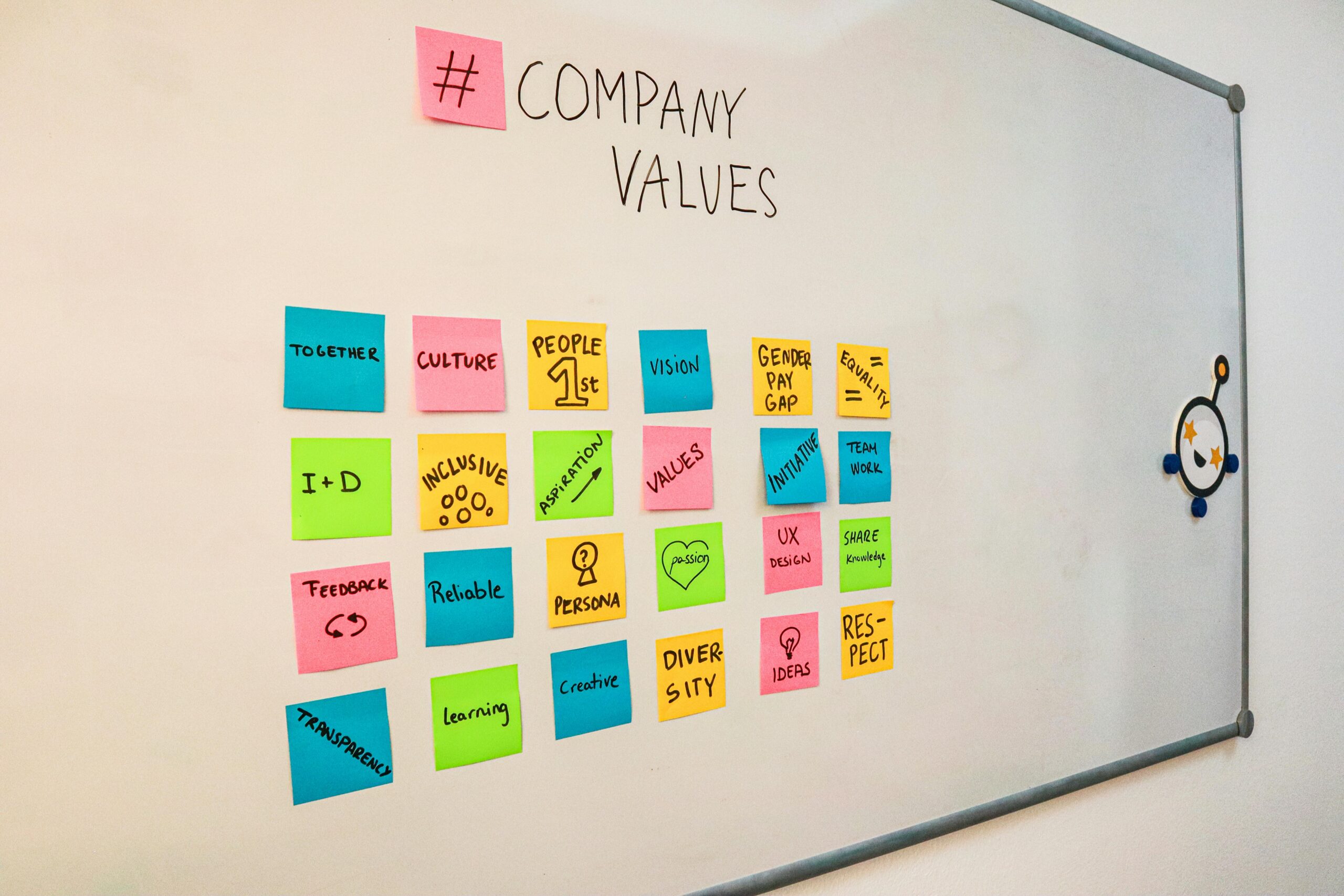
Making Peace with Cultural Value Differences
The world would be simpler if everyone shared the same values, but it would also be far less rich, creative, and adaptable. Cultural diversity in values represents humanity’s multiple experiments in how to live well, organize societies, and find meaning. Each value system has developed over generations to address particular challenges and opportunities within specific environments.
Rather than viewing cultural value differences as problems to solve, we might see them as resources to learn from. Individualistic cultures might learn from collectivistic ones about building strong communities and supporting vulnerable members. Achievement-oriented societies might adopt some quality-of-life values to address burnout and disconnection. Future-oriented cultures might benefit from present-oriented approaches to enjoying life as it unfolds.
The goal isn’t to eliminate cultural differences or create a single global value system, but to develop the wisdom to recognize value diversity, the humility to question our own assumptions, and the skills to navigate differences respectfully. In doing so, we build the bridges that allow humanity’s rich cultural diversity to become a strength rather than a source of conflict.
Our values—what we hold most dear—will always be shaped by culture. But by understanding this process, we gain the freedom to engage consciously with our inherited values, appreciate alternative value systems, and participate thoughtfully in the ongoing human conversation about what matters most. In a world that grows smaller every day, this understanding isn’t optional—it’s essential for our collective flourishing. ✨
